
Organic Leather Sofa: The Complete Eco-Friendly Buying Guide
Discover how sustainable, non-toxic leather sofas are made. Learn about vegetable tanning, organic certifications, and how to choose a truly eco-friendly leather couch for your home.
EXPLORE ORGANIC SOFASThe Organic Leather Difference: An organic leather sofa is more than just furniture—it's a commitment to sustainable living. Unlike conventional leather that relies on harsh chemicals like chromium, organic leather uses natural tanning agents and eco-friendly processes. This guide will help you understand what makes leather truly "organic," how to verify certifications, and why this choice benefits both your health and the planet.
Recommended Organic Leather Sofas
⚠️ AFFILIATE DISCLOSURE: This website contains affiliate links. As an affiliate Associate, we earn from qualifying purchases. If you make a purchase through these links, we may receive a small commission at no additional cost to you. Read our full affiliate policy.

AMERLIFE 80" Leather Couch, Modern Genuine Leather Sofa, Chesterfield Sofa | Brown Genuine leather, 3 Seather Sofa, Tufted Back, Curved Arms, Mid Century Modern, Home Office & Living Room
Check price on Amazon
Shintenchi 64" Futon Sofa Bed, Leather Foldable Couch, Upholstered Loveseat Sofa Couch with Folding Cup Holders, Reclining Sleeper with Removable Armrests for Home, Office, Black
Check price on Amazon
88'' Black Faux Leather Couch w/ Charging, 3 Seater Living Room Office Sofa | Faux Leather Sofa, Black Couch, Small Sofa, Mid-Century Modern, Tufted Design, Wider Arms, Side Pockets, Apartment, Bedroom
Check price on Amazon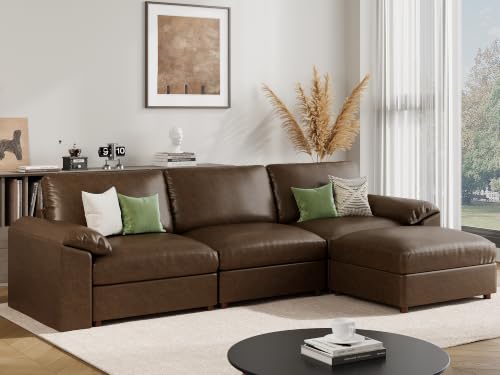
EASE MOOSE Leather Sectional Couch, Modular Sectional Sofa, Deep Brown | Pet-Friendly Faux Leather, Large Deep Seat, Easy to Clean, Solid Wood Frame ,Easy Assembly, Scratch Resistant
Check price on Amazon
The support you need 81" Genuine Leather Sofa, Classic 3-Seater Couchs with Wood Legs, Stylish & Comfortable Sofa for Living Room or Office, Easy Assembly and Maintain & Long-Lasting, Brown
Check price on Amazon
SITJOY Cloud Couch Sectional, 3 Seater Sofa Couch, Faux Leather in Brown | Pet-Friendly Faux Leather, Removable Cover, Solid Wood Frame, Easy Assembly, Oversized Wide Couch for Living Room
Check price on Amazon
83" Black Faux Leather 3 Seater Couch, Mid Century Tufted Sofa Living Room | STHOUYN Office Couch, Tufted Design, High Resilience Foam, 700 lb Capacity, Easy Assembly, Waiting Room Area, Small Couches
Check price on Amazon
Naomi Home Laura 3-In-1 Sleeper Sectional Sofa, Black Air Leather | Pull-Out Bed, Hidden Storage Space, Reversible Chaise, Space-Saving Comfort, Guest-Ready Comfort, Perfect For Apartments
Check price on AmazonWhat Exactly Is an Organic Leather Sofa?
The term "organic leather" isn't regulated the same way as organic food, but it generally refers to leather that is processed without synthetic chemicals, heavy metals, or formaldehyde. True organic leather sofas use hides from ethically raised livestock—often grass-fed or pasture-raised—and are tanned using natural substances like tree bark, leaves, and vegetable extracts. If you're comparing leather types, you may want to understand the difference between full-grain vs top-grain leather, as organic options are typically full-grain for maximum durability. For those seeking premium craftsmanship, exploring a top-of-the-line leather sofa often leads to discovering organic and sustainable options.
The eco-friendly movement in furniture has grown significantly as consumers become more aware of indoor air quality and environmental impact. An organic leather couch minimizes volatile organic compounds (VOCs) and avoids the toxic residues that can linger in conventionally tanned leather for years. Many buyers who prioritize wellness also consider leather sofas for pets because organic leather is often more durable and safer for animals than chemically treated alternatives.
Key Benefits of Choosing Organic Leather
🌿 Non-Toxic & Safe
Organic leather is tanned without chromium, formaldehyde, or other harmful chemicals. This makes it a safer choice for families with children, pets, or anyone sensitive to indoor air pollutants. The natural tanning process leaves no toxic residue.
♻️ Sustainable Sourcing
Ethically sourced hides come from farms that prioritize animal welfare and environmental stewardship. Many organic leather producers also use renewable energy and water recycling systems in their manufacturing.
💪 Superior Durability
Vegetable-tanned organic leather develops a rich patina over time and can last decades with proper care. Unlike chrome-tanned leather, it doesn't degrade as quickly and becomes more beautiful with age.
🌍 Biodegradable
At the end of its long life, organic leather can biodegrade naturally, unlike synthetic faux leather or heavily treated leather that may persist in landfills for generations.
🎨 Unique Character
Each organic leather hide has natural variations, scars, and grain patterns that tell a story. No two organic leather sofas are exactly alike, giving your furniture a truly one-of-a-kind appeal.
🏠 Healthier Home Environment
By choosing an organic leather sofa, you reduce the off-gassing of harmful chemicals in your living space. This contributes to better indoor air quality and a healthier home for everyone.
How Organic Leather Is Made: From Hide to Sofa
Understanding the production process helps you appreciate why organic leather commands a premium price. The journey begins with ethically raised cattle, often from farms that practice regenerative agriculture. The hides are then preserved using natural salts rather than synthetic chemicals. The tanning phase is where organic leather truly differentiates itself—instead of chromium salts, tanners use vegetable tannins derived from sources like quebracho bark, mimosa, and chestnut. This process can take weeks or even months, compared to just days for chrome tanning.
After tanning, the leather is dyed using natural pigments and finished with plant-based oils and waxes. The result is a material that's soft, durable, and free from the toxic residues found in conventional leather. When selecting your sofa frame, consider that organic leather pairs beautifully with sustainable materials like a hardwood sofa frame or even a metal sofa frame for a modern industrial look. If you're looking for a complete seating solution, an organic leather sofa and chair set can anchor your living room with eco-conscious style.
Organic vs Conventional Leather: A Side-by-Side Comparison
| Feature | Organic Leather | Conventional Leather |
|---|---|---|
| Tanning Agents | Vegetable tannins, natural extracts | Chromium salts, synthetic chemicals |
| Environmental Impact | Low—biodegradable, less water pollution | High—toxic runoff, heavy water usage |
| Health Safety | Non-toxic, safe for children and pets | May off-gas VOCs and heavy metals |
| Durability | Excellent—develops patina, lasts decades | Good—but may crack or peel over time |
| Price Range | $1,500–$4,000+ | $800–$2,500 |
| Certifications | GOTS, OEKO-TEX, USDA Organic | Limited or none |
| Biodegradability | Yes—returns to earth naturally | No—synthetic residues persist |
Certifications That Prove Leather Is Truly Organic
Because "organic" isn't legally defined for leather in most countries, third-party certifications are your best assurance of authenticity. Here are the key certifications to look for:
GOTS (Global Organic Textile Standard)
While primarily for textiles, GOTS certification ensures the entire supply chain meets organic and ethical standards. Some organic leather products carry this certification for their lining and finishing materials.
OEKO-TEX Standard 100
This certification guarantees that the leather has been tested for harmful substances and is safe for human health. It's one of the most recognized safety certifications for leather products.
USDA Organic
For leather to carry the USDA Organic seal, the hides must come from certified organic livestock operations. This is the gold standard for organic leather in the United States.
Leather Working Group (LWG)
LWG certification audits tanneries for environmental compliance and sustainable practices. Gold-rated LWG tanneries are among the most eco-friendly in the industry.
Pros and Cons of Organic Leather Sofas
✓ Advantages
- Free from toxic chemicals and heavy metals
- Safer for children, pets, and allergy sufferers
- Environmentally sustainable and biodegradable
- Develops beautiful patina over time
- Supports ethical farming and manufacturing
- Exceptional durability and longevity
- Unique natural grain and character
✗ Considerations
- Higher upfront cost than conventional leather
- Limited color options due to natural dyes
- Requires more careful maintenance and conditioning
- May show natural marks and variations
- Fewer manufacturers and styles available
- Can be harder to find in local stores
Styling Your Organic Leather Sofa
An organic leather sofa is a statement piece that deserves thoughtful styling. Its natural tones and textures pair beautifully with earthy palettes, natural fibers, and sustainable decor. For a contemporary look, consider contemporary leather sofa styling that balances clean lines with organic warmth. A leather sofa and floor lamp pairing can create a cozy reading nook, while a carefully chosen area rug can tie the whole room together. If you have a larger space, an large L-shaped leather sofa in organic leather makes a stunning centerpiece. For smaller rooms, a small leather sofa set maintains the eco-friendly ethos without overwhelming the space.
The color of your organic leather sofa also matters. Natural tan, cognac, and chestnut tones are popular because they showcase the leather's organic origins. A camel leather sofa or chestnut leather sofa brings warmth and earthiness to any living room. If you prefer darker tones, a dark chocolate leather sofa offers sophistication while still highlighting the natural grain. For a truly unique piece, consider a curved-back leather sofa that combines organic materials with artistic design.
Caring for Your Organic Leather Sofa
Organic leather requires slightly different care than conventional leather. Because it lacks the protective chemical coating of chrome-tanned leather, it's more porous and needs regular conditioning to prevent drying and cracking. Use only natural, plant-based leather conditioners—avoid products containing petroleum derivatives or synthetic silicones. Keep your sofa away from direct sunlight to prevent fading, and wipe up spills immediately with a dry cloth. For families with pets, organic leather is actually a smart choice because it's non-toxic, but you'll still want to trim claws and provide a designated pet throw to minimize scratches. If you're concerned about durability with pets, a leather sofa for pets guide can offer additional tips.
Regular maintenance includes dusting with a soft, dry cloth weekly and conditioning every 6–12 months depending on humidity and usage. Unlike conventional leather, organic leather benefits from occasional exposure to indirect sunlight, which can help even out the patina. If you notice dryness or dullness, it's time to condition. Always test any product on a hidden area first. For those who want to protect their investment, a slipcover for leather sectional sofa can provide an extra layer of protection without compromising the organic aesthetic.
How Much Does an Organic Leather Sofa Cost?
Organic leather sofas represent a significant investment, but the cost reflects the ethical sourcing, sustainable manufacturing, and superior materials involved. Here's what you can expect to pay:
Loveseats & Chairs
$1,200–$2,500
Entry-level organic leather pieces are perfect for accent seating or smaller spaces. These often feature vegetable-tanned leather with natural dyes.
Standard Sofas (3-Seater)
$2,000–$3,500
Mid-range organic sofas offer better cushioning, hardwood frames, and larger hide coverage. This is the most popular price bracket for quality organic leather.
Sectionals & Large Sofas
$3,000–$5,000+
Premium organic sectionals and oversized sofas use top-grain organic leather, kiln-dried hardwood frames, and high-resilience cushioning for maximum comfort and longevity.
Custom & Designer Pieces
$5,000+
Bespoke organic leather sofas from artisan workshops offer complete customization, including hide selection, natural dye colors, and frame materials.
Your Organic Leather Sofa Buying Checklist
Before making your purchase, use this checklist to ensure you're getting a genuinely organic leather sofa:
✓ Verify Certifications
Ask for documentation. Look for GOTS, OEKO-TEX, or USDA Organic certifications. If the retailer can't provide proof, be skeptical of "organic" claims.
✓ Ask About Tanning
Confirm the leather is vegetable-tanned, not chrome-tanned. Vegetable tanning is the hallmark of truly organic leather processing.
✓ Check the Frame
Ensure the frame is made from sustainable materials like FSC-certified hardwood or recycled metal. A hardwood sofa frame is ideal for longevity.
✓ Inquire About Cushions
Organic sofas should use natural or certified safe foam, down, or latex cushions. Avoid polyurethane foam treated with flame retardants.
✓ Review the Warranty
A quality organic leather sofa should come with at least a 5-year warranty. Some premium brands offer 10 years or more.
✓ Consider the Source
Research the manufacturer's environmental and ethical practices. Transparency about sourcing and production is a good sign.
Frequently Asked Questions About Organic Leather Sofas
Ready to Choose Your Organic Leather Sofa?
You now have the knowledge to make an informed, eco-conscious decision. Browse our recommended organic leather sofas above and take the first step toward a healthier, more sustainable home.
VIEW RECOMMENDED ORGANIC SOFASFinal Thoughts on Organic Leather Sofas
Choosing an organic leather sofa is an investment in your health, your home, and the planet. While the upfront cost is higher than conventional leather, the long-term benefits—including superior durability, non-toxic materials, and timeless beauty—make it a worthwhile choice for eco-conscious consumers. As the demand for sustainable furniture grows, organic leather options are becoming more accessible and diverse. Whether you're furnishing a new home or upgrading your living room, an organic leather sofa represents a thoughtful balance of luxury, responsibility, and enduring style.
Remember to verify certifications, ask questions about sourcing and tanning, and care for your organic leather properly to ensure it lasts for decades. For more guidance on building a sustainable living space, explore our leather sofa starter hub and discover additional resources on eco-friendly furniture. If you're still comparing options, learning about full-grain vs top-grain leather can help you understand why organic full-grain is the gold standard for sustainable luxury seating.