
Leather Sofa Color Restoration: Complete DIY Guide
Bring your faded, scratched, or discolored leather sofa back to life. Learn professional techniques, product recommendations, and step-by-step restoration methods to restore your leather couch's original beauty.
START RESTORINGUnderstanding Why Leather Sofas Lose Color
Leather is a natural material that responds to its environment. Over time, even the highest-quality full-grain leather sofas can experience color degradation. Understanding the root causes helps you choose the right restoration approach and prevent future damage.
Common Causes of Leather Color Loss
- UV Sun Exposure: Direct sunlight breaks down leather's pigment molecules, causing fading and discoloration. This is especially common in living rooms with large windows facing south or west.
- Body Oils and Sweat: Natural oils from your skin transfer to the leather surface, darkening high-contact areas like armrests, headrests, and seat cushions.
- Abrasion and Friction: Daily use creates friction that wears away the protective topcoat and pigment layer, leading to lighter, worn patches.
- Chemical Exposure: Harsh cleaning products, alcohol-based sanitizers, and some conditioners can strip leather's finish and cause uneven color loss.
- Age and Oxidation: Leather naturally patinas over time. While some patina is desirable, excessive oxidation leads to dull, uneven coloring.
- Pet Damage: Claws, fur oils, and saliva can create scratches and color irregularities. Consider leather sofa pet protection if you share your home with animals.
- Liquid Damage: Water, wine, coffee, and other liquids can leave permanent stains and color distortions if not addressed immediately.
Did You Know? The type of leather your sofa uses significantly impacts how it ages and restores. Bonded leather sofas often cannot be restored the same way as top-grain leather sofas because the surface layer is synthetic. Always identify your leather type before beginning restoration.
Signs Your Leather Sofa Needs Color Restoration
Not every scratch or mark requires full restoration. Use this guide to determine whether your sofa needs professional-level recoloring or simple maintenance.
When to Consider Color Restoration
- Visible Fading: Areas exposed to sunlight have noticeably lighter color than protected areas
- Worn Armrests and Headrests: High-contact zones show dark or light discoloration patterns
- Cracking and Peeling: The topcoat is breaking down, exposing lighter layers beneath
- Water Rings and Stains: Permanent marks that won't lift with normal cleaning
- Uneven Patina: Some areas look aged while others look new, creating an inconsistent appearance
- Scratches That Won't Buff Out: Deep scratches that have removed the pigment layer
When Simple Care Is Enough
For minor issues, a regular leather sofa daily cleaning routine combined with deep conditioning may be sufficient. If your sofa only has light surface scratches, try leather sofa scuff mark repair techniques first. For ink stains, see our dedicated leather sofa ink stain removal guide.
⚠️ Important: If your leather is torn, has structural damage, or the color loss covers more than 40% of the surface, consider consulting a professional or exploring leather sofa reupholstery as an alternative to restoration.
Leather Sofa Color Restoration Methods Compared
Several approaches exist for restoring leather color, each with distinct advantages and appropriate use cases. Choose based on the extent of damage, your leather type, and your comfort level with DIY projects.
| Method | Best For | Difficulty | Cost | Durability |
|---|---|---|---|---|
| Leather Dye | Full color change or severe fading | High | $30–$80 | 5–10 years |
| Leather Paint | Spot repairs and small areas | Medium | $15–$40 | 2–5 years |
| Color Restorer Cream | Light fading and touch-ups | Low | $15–$35 | 1–3 years |
| Professional Service | Antique or high-value sofas | N/A | $200–$800+ | 5–10 years |
Leather Dye vs. Leather Paint
Leather dye penetrates the material and bonds at a molecular level, making it ideal for full restoration. Antique leather sofa restoration projects often require dye to achieve authentic results. Leather paint, by contrast, sits on the surface and works better for spot repairs. For most DIY restorations, a quality leather dye kit provides the best balance of durability and ease of use.
Pro Tip: Before committing to a full restoration, test your chosen product on a hidden area like the back of the sofa or under a cushion. This reveals how the product interacts with your specific leather finish and ensures color accuracy.
Step-by-Step Leather Sofa Color Restoration Guide
Follow this professional-grade process to restore your leather sofa's color safely and effectively. Set aside 3–5 hours for a standard three-seat sofa, plus 24 hours for drying and curing.
Materials You'll Need
- Leather cleaner (pH-balanced, non-alkaline)
- Leather prep solution or deglazer
- Leather dye or color restorer in your chosen shade
- Applicator sponges, daubers, or airbrush
- Microfiber cloths
- Leather conditioner
- Leather protector or sealant
- Protective gloves and eye protection
- Drop cloths or plastic sheeting
- Painter's tape for edges
Preparation Steps
-
Clean the Leather Thoroughly
Remove all dust, dirt, and body oils using a leather cleaner. Work in small sections with a microfiber cloth. For heavily soiled sofas, follow our leather sofa daily cleaning routine before proceeding. Allow the sofa to dry completely.
-
Remove Old Conditioners and Protectants
Use a leather deglazer or prep solution to strip away any previous conditioners, waxes, or protectants. This ensures the new dye bonds properly. Work in a well-ventilated area and follow product instructions carefully.
-
Repair Damage First
Fill any cracks, tears, or deep scratches with leather filler before applying color. For structural issues, see our leather sofa repair guide. Smooth the filler flush with the surrounding leather and allow it to cure.
-
Test Color in a Hidden Area
Apply a small amount of dye to an inconspicuous spot (under the sofa, behind cushions, or on the back). Let it dry for 24 hours to check color accuracy and adhesion. Adjust your shade if needed.
-
Mask Off Non-Leather Areas
Use painter's tape to protect wood trim, metal legs, and any fabric elements. Cover surrounding floors and furniture with drop cloths. If your sofa has nailhead trim or decorative stitching details, mask these carefully.
Application Steps
-
Apply the First Coat of Dye
Using a sponge, dauber, or airbrush, apply the dye in thin, even coats. Work in small sections (approximately 2x2 feet) and use circular motions for even coverage. Avoid over-saturating the leather.
-
Allow to Dry Between Coats
Most leather dyes require 30–60 minutes between coats. Check your product's instructions. Apply 2–3 thin coats rather than one thick coat for the most natural, durable finish.
-
Build Color Gradually
For significant color changes, you may need 4–6 coats. Allow each coat to dry completely before assessing coverage. The color will deepen slightly as it dries, so stop when you're 90% satisfied.
-
Blend Edges and Seams
Use a slightly damp sponge to blend color transitions at seams, piping, and armrest designs. This prevents visible lines and creates a factory-fresh appearance.
-
Allow Full Cure Time
After the final coat, allow the sofa to cure for 24–48 hours at room temperature. Avoid using the sofa during this period. Proper curing is essential for colorfastness and durability.
Finishing Steps
-
Apply Leather Conditioner
Once fully cured, apply a high-quality leather conditioner. This restores suppleness and adds a protective layer. Follow our deep conditioning guide for best results.
-
Seal with a Protector
Apply a leather protector or sealant to lock in color and guard against future fading. Products specifically designed for sun fade protection are ideal for sofas in bright rooms.
-
Buff to Desired Sheen
Use a clean microfiber cloth to buff the surface to your desired level of shine. Some prefer a matte finish while others prefer a subtle sheen. This step also removes any excess product.
Timing Tip: Plan your restoration for a period when you won't need the sofa for 2–3 days. This allows for proper drying, curing, and conditioning without the temptation to use the sofa prematurely.
Recommended Leather Sofa Color Restoration Products
⚠️ AFFILIATE DISCLOSURE: This website contains affiliate links. As an affiliate Associate, we earn from qualifying purchases. If you make a purchase through these links, we may receive a small commission at no additional cost to you. Read our full affiliate policy.

FORTIVO Leather Recoloring Balm, Leather Color Restorer, Scratch Remover, Couch Paint and Repair, Leather Balm for Couches - Dark Brown
Check price on Amazon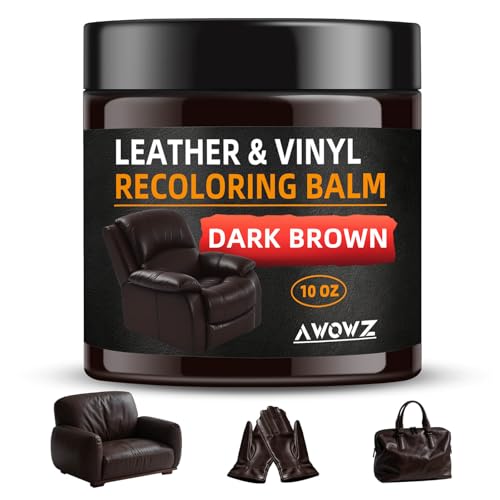
AWOWZ Leather Recoloring Balm, Scratch Repair & Color Restorer for Faded Couches, Car Seats, Furniture, Auto Interior, Vinyl Surfaces & Accessories, Restores Worn Color, 10 OZ (Dark Brown)
Check price on Amazon
AIUKBL Leather Recoloring Balm, Leather Color Restorer, Leather Restorer for Couches, Leather Scratch Remover, Leather Scratch Repair, Leather Repair Kit for Furniture, Leather Dye (Medium Brown)
Check price on Amazon
drtulz Black Leather Recoloring Balm, Leather Color Restorer Conditioner, Leather Repair Kits for Vinyl Furniture, Sofa, Car Seats, Shoes - Repair Leather Color on Faded & Scratched Leather Couches
Check price on Amazon
UP22YOU Leather Recoloring Balm Dark Brown, Leather & Vinyl Color Restorer Conditioner – Repairs Faded & Scratched Leather Color, Suitable for Sofas, Car Seats, Shoes, and Furniture
Check price on Amazon
WERBME Leather Recoloring Balm - Leather & Vinyl Repair Balm for Furniture, Couches,Car Seats, Auto Interior & Accessories, Restores Faded, Worn, Scratched and Cracked Leather Surfaces (Dark Brown)
Check price on Amazon
AIUKBL Leather Recoloring Balm, Leather Color Restorer, Leather Restorer for Couches, Leather Scratch Remover, Leather Scratch Repair, Leather Repair Kit for Furniture, Leather Dye (Maroon)
Check price on Amazon
Furniture Clinic Leather Complete Restoration Kit, Medium Brown, 5 Piece | This leather repair kit includes leather recoloring balm, leather cleaner, protection cream & conditioner, sponge & cloth.
Check price on AmazonBest Products for Leather Sofa Color Restoration
Choosing the right products dramatically impacts your restoration results. Here are the categories of products you'll need, along with what to look for in each.
Leather Cleaners and Prep Solutions
A pH-balanced leather cleaner removes dirt without stripping natural oils. Look for products specifically formulated for finished leather. Avoid household cleaners, which can damage the finish and complicate restoration. For routine maintenance, a good cleaner is the foundation of any leather sofa care and accessories collection.
Leather Dyes and Color Restorers
Quality leather dye should be specifically formulated for upholstery leather. Water-based dyes are easier to work with and have lower odor, while alcohol-based dyes penetrate deeper and last longer. For most DIY projects, a water-based dye kit with multiple applicators offers the best combination of safety and results.
Conditioners and Protectors
After restoration, conditioning is essential to restore suppleness. A quality leather sofa protection cream creates a barrier against future damage. Consider a product with UV inhibitors if your sofa receives direct sunlight. For humid environments, pair conditioning with leather sofa humidity control strategies.
Application Tools
The right tools make a significant difference in finish quality:
- Airbrush: Provides the most professional finish, ideal for large areas and color changes
- Applicator Sponges: Best for small touch-ups and detailed work
- Daubers: Excellent for textured leather and achieving even coverage
- Microfiber Cloths: Essential for cleaning, buffing, and blending
Common Leather Color Restoration Mistakes to Avoid
Learning from others' mistakes can save you time, money, and frustration. Here are the most common pitfalls and how to avoid them.
- Skipping the Prep Step: Applying dye over dirty, conditioned, or sealed leather leads to poor adhesion and premature peeling. Always clean and deglaze first.
- Using the Wrong Product: Not all leather is the same. Products designed for faux leather sofas won't work on genuine leather, and vice versa. Match products to your leather type.
- Applying Too Much Dye at Once: Thick coats dry unevenly, crack, and feel stiff. Always apply thin, gradual layers.
- Neglecting Edges and Seams: These areas are highly visible. Mask them carefully and blend color into them intentionally.
- Not Testing First: Color can appear different after drying. Always test on a hidden area before committing to the entire sofa.
- Skipping Conditioner and Protector: Dye alone leaves leather dry and vulnerable. Always finish with conditioner and a protective sealant.
- Using the Sofa Too Soon: Impatience is the enemy of quality restoration. Respect the full cure time before use.
⚠️ Warning: If your sofa is under warranty, check the terms before attempting DIY restoration. Some warranties are voided by non-professional repairs. See our leather sofa warranty guide for more information.
Preventing Future Color Loss and Aftercare
Once you've successfully restored your leather sofa's color, proper care keeps it looking beautiful for years. These habits prevent the need for repeated restorations.
Daily and Weekly Habits
- Dust with a dry microfiber cloth weekly to prevent dirt buildup
- Clean spills immediately with a damp cloth — don't rub, blot
- Rotate cushions regularly to ensure even wear — see our cushion rotation guide
- Keep pets' nails trimmed and use a leather sofa cover if needed
Monthly and Seasonal Care
- Deep clean and condition every 3–6 months depending on use
- Apply a UV protectant before summer if your sofa receives direct sun
- Check for loose seams, scratches, or early signs of fading and address promptly
- In dry seasons, use a humidifier to prevent cracking — see humidity control tips
Protecting Against Sun Damage
Sun fading is the most common cause of leather color loss. Protect your investment with these strategies:
- Use UV-blocking window film on nearby windows
- Rearrange furniture seasonally to avoid constant sun exposure on one area
- Apply a leather protectant with UV inhibitors every 6 months
- Consider sheer curtains or blinds during peak sunlight hours
Long-Term Strategy: A well-maintained leather sofa can last 15–25 years without needing color restoration. Establish a consistent care routine and document it. If you have an antique or high-value piece, explore antique leather sofa restoration specialists before attempting DIY work.
Frequently Asked Questions About Leather Sofa Color Restoration
Yes, but it's a significant undertaking. Going from dark to light requires more coats and a higher-quality dye. Light to dark is easier. For drastic changes, consider professional help or explore whether leather sofa reupholstery might be more cost-effective. Always test on a hidden area first and expect the process to take 6–10 coats for complete coverage.
A properly executed restoration with quality products typically lasts 3–7 years, depending on use, sun exposure, and aftercare. Following a consistent deep conditioning routine and applying protector annually significantly extends results.
Bonded leather is challenging to restore because its surface is a polyurethane coating over shredded leather fibers. Dye doesn't penetrate properly. For bonded leather sofas, use leather paint designed for synthetic surfaces, but be aware results are less durable than with genuine leather. In many cases, replacement is more practical.
Professional restoration typically costs $300–$800 for a standard three-seat sofa, depending on damage extent and your location. High-end or antique pieces may cost $1,000+. DIY kits range from $30–$80, making DIY a cost-effective option for those comfortable with the process.
Spot restoration is possible for small areas like scratches or worn armrests. However, matching color perfectly across a large surface is difficult because aged leather has a unique patina. For best results, restore entire panels (e.g., one full cushion) rather than small patches. For widespread fading, full restoration gives the most uniform appearance.
Leather dye penetrates the material and bonds at a molecular level, providing durable, natural-looking color. Leather paint creates a surface coating that sits on top of the leather. Dye is better for full restoration; paint is better for spot repairs. For most sofa restoration projects, quality dye produces superior long-term results.
If you want to restore the original color, check under cushions or behind the sofa for unfaded leather, or look up your sofa's model number with the manufacturer. If you want a new color, consider your room's palette. Explore our guides on neutral leather sofa palettes and bold leather sofa palettes for inspiration. Always order a sample or test kit first.
Ready to Restore Your Leather Sofa's Beauty?
You now have the knowledge and resources to bring your leather sofa back to life. Start with a small test area, gather your materials, and enjoy the transformation. Your sofa will thank you with years of renewed beauty.
EXPLORE MORE REPAIR GUIDES