
Antique Leather Sofa Restoration: Complete Step-by-Step Guide
Bring your vintage or heirloom leather sofa back to life. Learn how to assess, clean, repair, condition, and restore antique leather with confidence — and decide when to restore versus reupholster.
START THE RESTORATIONWhy restore an antique leather sofa? A well-made antique sofa often has a hardwood frame, hand-tied springs, and full-grain leather that outlasts modern mass-produced furniture. Restoring it preserves craftsmanship, saves money, and can dramatically increase value — especially for pieces from the Chesterfield, Tuxedo, or Mid-Century eras.
Step 1: Assess Your Antique Leather Sofa Before You Start
Before touching the leather, evaluate the overall condition. This determines whether restoration, surface refinishing, or full reupholstery is the right path.
- Frame integrity: Press the arms and back — listen for creaks or wobbles. Loose joints may need regluing. Compare frame quality to modern plywood or metal frames.
- Spring system: Sit down firmly. Sagging suggests broken springs or worn foam cushions.
- Leather type: Genuine full-grain or top-grain leather is worth restoring. Confirm authenticity using our full-grain vs top-grain guide.
- Damage level: Surface cracks, dryness, and fading respond well to restoration. Deep tears, mold, or rot may require leather replacement.
- Hardware: Check legs and feet and nailhead trim for rust or damage.
Step 2: Gather Restoration Tools and Materials
Proper supplies make the difference between a lasting restoration and a temporary fix. Essential items include:
Cleaning Supplies
- pH-balanced leather cleaner
- Microfiber cloths (multiple)
- Soft-bristle brush
- Distilled water
Repair & Conditioning
- Leather filler or crack repair compound
- Leather dye or color restorer
- Leather conditioner (lanolin or neatsfoot)
- Leather sealant or protector
Note: Always test any product on a hidden area first. Consult product warranties and safety standards before applying.
Step 3: Deep Clean the Antique Leather
Decades of dirt, oil, and dust settle deep into antique leather. Start with a gentle process to avoid damaging fragile fibers.
- Vacuum loose debris using a brush attachment.
- Wipe the surface with a dry microfiber cloth.
- Apply pH-balanced leather cleaner to a cloth — never directly to leather.
- Work in small sections using circular motions.
- Remove sticky residue with a dedicated cleaner if needed.
- Dry naturally, away from direct sunlight or heat.
Rushing this step traps dirt under later products and causes uneven coloring.
Step 4: Repair Cracks, Scuffs, and Surface Damage
Antique leather commonly shows cracking along stress points like seat fronts and armrests. Handle these with care:
- Minor scuffs: Use a scuff repair kit to blend color and texture.
- Surface cracks: Apply flexible leather filler in thin layers, drying between each. Sand lightly with 600-grit paper.
- Deep tears: Use a sub-patch technique with leather adhesive and a backing material, then blend with filler.
- Seam separation: Re-stitch by hand or consult a professional leather technician.
For structural issues in recliner models, see our recliner mechanism repair guide.
Step 5: Restore Color and Finish
Faded color is one of the most common antique leather complaints. Restoration involves re-pigmenting the leather without losing its patina.
- Choose a leather dye or color restorer matched to the original shade.
- Apply in thin, even coats with a sponge or airbrush.
- Build color gradually — multiple light coats beat one heavy coat.
- Blend edges carefully for a seamless finish.
- Allow full cure time (typically 24 hours) before conditioning.
For broader color strategy, explore our leather sofa color harmony guide. For contemporary tastes, see surface refinishing techniques.
Step 6: Condition and Protect the Leather
Conditioning restores moisture, flexibility, and sheen. This step is critical for antique leather that has dried out over decades.
- Apply leather conditioner (lanolin-based or neatsfoot oil) with a soft cloth.
- Work in small circles, covering the entire surface evenly.
- Let it absorb for 20–30 minutes.
- Buff off excess with a clean cloth.
- Apply a protective sealant to guard against future stains and UV damage.
Reapply conditioner every 6–12 months. Regular care prevents future cracking and sun fade.
Step 7: Restore Wood Trim and Frame Details
Many antique leather sofas feature exposed wood on arms, legs, or trim. Preserving that wood adds authentic character.
- Clean wood with a mild soap solution.
- Sand lightly with fine-grit paper to remove flaking finish.
- Apply wood stain matched to the original tone.
- Seal with a protective wax or lacquer.
See our full wood trim restoration guide for detailed steps.
Step 8: Restore or Reupholster? Making the Right Call
Restore When...
- Leather is 70%+ intact
- Frame and springs are solid
- Damage is surface-level
- Sentimental or historical value is high
Reupholster When...
- Leather is severely torn or moldy
- Foam and batting are destroyed
- Structural damage is widespread
- You want to change color or style entirely
For reupholstery options, see our complete reupholstery guide. Alternatively, explore reconditioned leather sofas or secondhand buying guide if you prefer a restored piece without the work.
How Much Does Antique Leather Sofa Restoration Cost?
Costs vary by damage level, leather type, and whether you do it yourself or hire a professional.
- DIY restoration: $50–$300 for supplies
- Professional cleaning and conditioning: $200–$600
- Color restoration (professional): $400–$1,200
- Full restoration including frame and cushions: $800–$2,500+
- Full reupholstery: $1,500–$5,000+
Compare these figures against the cost of a new comparable sofa. Browse our affordable picks, mid-range picks, or high-end collections for context.
Common Mistakes to Avoid in Antique Leather Restoration
- Over-wetting the leather: Causes stiffness and cracking.
- Using harsh chemicals: Damages antique patina permanently.
- Skipping the test spot: Always test on hidden areas first.
- Rushing the color layers: Leads to streaking and uneven tone.
- Ignoring the frame: Cosmetic fixes on a weak frame won't last.
- Choosing the wrong product: Always match product type to leather type. See our leather material hub for guidance.
For broader pitfalls, review our buying mistakes guide.
Styling Your Restored Antique Leather Sofa
Once restored, an antique leather sofa becomes the focal point of your room. Pair it thoughtfully with complementary décor.
- Match with a textured area rug to ground the piece.
- Add throw pillows in contrasting or complementary tones.
- Use a side table in warm wood or brass for period-appropriate styling.
- Consider vignette styling for a magazine-worthy look.
- Explore contemporary or Nordic styling for a modern-meets-antique aesthetic.
- For small rooms, check our small living room layouts guide.
When to Hire a Professional Restoration Specialist
Some projects benefit from expert hands. Consider hiring a professional when:
- The sofa is a documented antique or high-value piece (e.g., original Chesterfield).
- Mold, mildew, or water damage is present.
- Structural frame repair requires woodworking skills.
- Color restoration demands airbrush precision.
- The piece has historical or family significance.
Always request a written estimate and portfolio of past restorations before committing.
Maintaining Your Restored Antique Leather Sofa
Post-restoration care preserves your investment and extends its life for another generation.
- Dust weekly with a soft cloth.
- Clean spills immediately with a damp cloth.
- Condition every 6–12 months.
- Keep out of direct sunlight to prevent fade.
- Maintain indoor humidity between 40–60%.
- Rotate cushions to distribute wear evenly.
If you have pets or children, add pet protection and child-proofing measures.
Frequently Asked Questions
Is it worth restoring an antique leather sofa?
Yes, if the frame is solid and the leather is genuine. Restoration preserves history, saves money compared to buying new, and often increases value for well-made pieces.
Can cracked antique leather be fully repaired?
Surface cracks can be significantly improved with filling and conditioning. Deep structural cracks may require patching or professional leather replacement.
How much does antique leather sofa restoration cost?
DIY restoration costs $50–$300 for supplies. Professional restoration typically ranges from $500–$2,500 depending on damage, size, and leather type.
Should I restore or reupholster an antique leather sofa?
Restore if leather is 70% or more intact. Reupholster when leather is severely torn, moldy, or structurally compromised beyond repair.
Recommended Leather Restoration Products
⚠️ AFFILIATE DISCLOSURE: This website contains affiliate links. As an affiliate Associate, we earn from qualifying purchases. If you make a purchase through these links, we may receive a small commission at no additional cost to you. Read our full affiliate policy.

Leather Honey Leather Conditioner – Non-Toxic & Made in the USA Since 1968 | Restores & Protects All Leather — Car Seats, Couches, Furniture, Purses, Shoes & Boots. Safe For Any Color, Including White.
Check price on Amazon
Weiman Leather Cleaner, Conditioner & Protector, Car Interior & Furniture | Cleans Conditions and Restores Leather Surfaces, UV Protectants Help Prevent Cracking or Fading
Check price on Amazon
Pecard Antique Leather Dressing 6 oz – Waterproofs, Restores, and Preserves Vintage and Exotic Leathers – Ideal for Oil-Tanned and Chrome-Tanned Leather Goods
Check price on Amazon
UP22YOU Leather Recoloring Balm Dark Brown, Leather & Vinyl Color Restorer Conditioner – Repairs Faded & Scratched Leather Color, Suitable for Sofas, Car Seats, Shoes, and Furniture
Check price on Amazon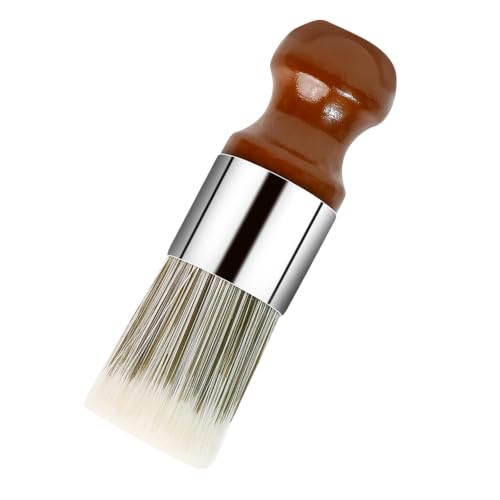
Horse Hair Brush for Leather and Furniture Salve - Durable Wax Brushing | Comfortable Handle for leather salve application, daily home leather care polishing and surface dust removal
Check price on Amazon
drtulz Black Leather Recoloring Balm, Leather Color Restorer Conditioner, Leather Repair Kits for Vinyl Furniture, Sofa, Car Seats, Shoes - Repair Leather Color on Faded & Scratched Leather Couches
Check price on Amazon
Furniture Clinic Leather Easy Restoration Kit, Dark Brown, 4 Piece | This Leather Repair Kit includes leather recoloring balm, cleaner, sponge & cloth. For restoring scratched & faded leather.
Check price on Amazon
Leather Hero Dark Brown Leather Recoloring Balm – Color Restorer & Repair Kit for Couches, Sofas, Car Seats & Furniture, Covers Scratches & Scuffs, with Cleaner & Mink Oil Conditioner, 9-Piece Set
Check price on AmazonFinal Thoughts: Preserve the Past, Enjoy the Future
Antique leather sofa restoration is equal parts craft and care. With the right assessment, materials, and patience, you can revive a piece that carries decades of character — and give it another lifetime of use. Whether you restore a Chesterfield, a Mid-Century, or an inherited family heirloom, the rewards go far beyond aesthetics.
If DIY feels risky or the damage runs deep, professional restoration services are worth the investment. Either way, understanding the process empowers you to make the right decision. Ready to shop for a restored or new leather sofa? Explore our community-favorite sofas, editor's choice picks, and trending brands for inspiration.
EXPLORE MORE REPAIR GUIDES