
Hardwood Sofa Frame: The Complete Guide to Durable Leather Sofa Construction
Everything you need to know about hardwood frames before buying a leather sofa. Learn why kiln-dried hardwood, proper joinery, and quality construction determine whether your sofa lasts 5 years or 25 years.
SHOP HARDWOOD FRAME SOFASThe Frame Is Everything: When you invest in a leather sofa, you're not just buying leather — you're buying the structure underneath it. A hardwood frame is the difference between a sofa that sags, creaks, and collapses within a few years and one that remains solid and comfortable for decades. This guide will teach you exactly what to look for.
Recommended Hardwood Frame Leather Sofas
⚠️ AFFILIATE DISCLOSURE: This website contains affiliate links. As an affiliate Associate, we earn from qualifying purchases. If you make a purchase through these links, we may receive a small commission at no additional cost to you. Read our full affiliate policy.

Vesgantti Modular 5-Seater Chenille L Shaped Sectional Sofa, Beige | FSC-certified hardwood frame, Corner Sofa with Storage Armrests, Large Comfy Couches for Living Room, Pet-friendly
Check price on Amazon
4Pcs Metal Sofa Support Frame for Boneless Couch, 15.7 x 15.7 x 23.5in | L Shaped Support Frame for Frameless Floor Sofas, for Added Support or Replacement of an Existing Frame, Easy to Assemble
Check price on Amazon
Iroomy Oversized Modular Sectional Sofa U Shape Deep Cloud Couch, Green | Uncompressed Oversized Comfort Deep Seat, Extra Large Arm Pillow, Hardwood Frame, Premium Corduroy, Modern, Removable Cover
Check price on Amazon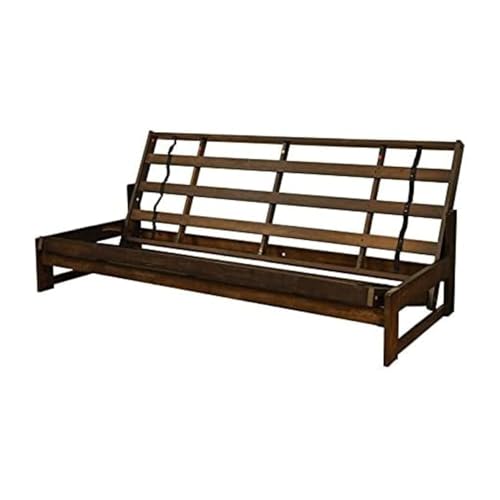
HomeStock Full Size Futon Frame Set - Convertible Sofa Bed - Hardwood Mocha Finish Frame Only
Check price on Amazon
Vesgantti Modular 6-Seater Chenille L Shaped Sectional Sofa, Beige | FSC-certified hardwood frame, with Ottoman, Storage Armrests, Comfy Couch for Living Room, Apartment, Pet-friendly
Check price on Amazon
Floor Sofa Support Frame for Boneless Couch Freestanding Metal Back Support | Floor Cushions Frameless Couch, Risers for Boneless Couch, L Shaped Frame, No Wall Needed, Easy Assembly, Sofa Not Included
Check price on Amazon
Acanva Mellow Modern Tight Curved Back Velvet Sofa, Right Chaise, Tangerine | Minimalist Couch for Living Room Apartment, Modular Sectional, Hardwood Frame
Check price on Amazon
Jayen Bed Wheel Stoppers, 4 Pack Rubber Caster Stoppers, Brown | Dual-Sided Anti-Slip Texture Keeps Furniture Securely in Place While Protecting Hardwood, Tile, and Other Floors
Check price on AmazonWhat Is a Hardwood Sofa Frame?
A hardwood sofa frame is the internal structural skeleton that supports every component of your sofa — the seat cushions, backrest, armrests, and legs. It is constructed from dense, durable hardwood species such as oak, maple, beech, ash, or birch, which are chosen for their superior strength-to-weight ratio and resistance to warping.
Unlike softwoods (pine, fir) or engineered woods (plywood, MDF, particleboard), hardwood frames are built to withstand decades of daily use. The wood is typically kiln-dried to reduce moisture content to around 6–8%, which prevents the frame from shrinking, cracking, or warping over time — a critical factor in humid or variable climates.
The best hardwood frames are assembled using traditional joinery techniques like mortise-and-tenon, dowel joints, or corner blocks that are glued and screwed together. These methods create a mechanical interlock that far exceeds the strength of simple staples or nails. When you pair a hardwood frame with premium upholstery like full-grain vs top-grain leather, you get a piece of furniture that can genuinely be passed down through generations.
If you're exploring different frame options, it's worth comparing hardwood against metal sofa frames, which offer their own set of advantages and trade-offs depending on your needs.
Why the Frame Material Matters More Than You Think
Most sofa buyers focus entirely on leather grade, color, and style — and completely overlook the frame. This is a costly mistake. The frame is the foundation upon which everything else depends. Here's why it matters so much:
1. Durability and Lifespan
A quality hardwood frame can last 15–25 years or more with proper care. A plywood or particleboard frame typically lasts 5–10 years before sagging, cracking, or delaminating. Since reupholstering a sofa costs $800–$2,500, investing in a frame that's worth reupholstering makes financial sense.
2. Structural Integrity
Leather is a heavy material. A full-grain leather sectional can weigh 200–400 pounds. A hardwood frame distributes this weight evenly and resists flexing, creaking, and joint separation. Cheaper frames may feel fine in the showroom but develop squeaks and wobbles within a year of daily use.
3. Resistance to Warping and Moisture
Kiln-dried hardwood resists moisture absorption far better than softwoods or engineered wood. This is especially important if you live in a humid climate or plan to place your sofa near windows or in a living room with a leather sofa that experiences temperature fluctuations.
4. Better Support for Cushions and Springs
The frame anchors the suspension system — whether that's sinuous springs, eight-way hand-tied springs, or webbing. A rigid hardwood frame keeps the suspension properly tensioned, which means your seat cushions stay comfortable and supportive for years longer.
Types of Hardwood Used in Sofa Frames
Not all hardwoods are created equal. Here's a breakdown of the most common species used in quality sofa construction:
| Wood Species | Density & Strength | Best For | Typical Cost Impact |
|---|---|---|---|
| Oak | Very high density, excellent strength | Premium sofas, heirloom-quality pieces | Higher-end ($2,500+) |
| Maple | High density, very hard | Durable frames for daily use | Mid to high ($1,800–$4,000) |
| Beech | High density, good shock resistance | Common in European-style sofas | Mid-range ($1,500–$3,000) |
| Ash | High strength, excellent flexibility | Curved and shaped frames | Mid-range ($1,500–$3,500) |
| Birch | Moderate density, good value | Entry-level hardwood frames | Budget-friendly ($1,200–$2,500) |
| Pine (Softwood) | Low density, easily dented | Budget sofas, temporary furniture | Low ($500–$1,200) |
| Plywood | Moderate, depends on thickness | Budget and mid-range sofas | Low to mid ($600–$1,500) |
When shopping for a top-of-the-line leather sofa, the frame species should be explicitly stated in the product specifications. If the manufacturer doesn't disclose the wood type, that's a red flag — it usually means softwood or engineered wood is being used.
Joinery Techniques: The Hidden Key to Frame Strength
Even the best hardwood can fail if it's poorly joined. The joinery technique used to connect the frame components is just as important as the wood itself. Here are the most common methods, ranked from strongest to weakest:
1. Mortise-and-Tenon (Strongest)
A rectangular projection (tenon) on one piece fits into a rectangular hole (mortise) on another. This creates a mechanical interlock that's often glued and pinned for additional strength. This is the hallmark of fine furniture and is found in the best hardwood frames.
2. Dowel Joints (Very Strong)
Wooden dowels are inserted into matching holes in two frame components, then glued. This is a strong, reliable method used in many mid-range and high-end sofas. When combined with corner blocks and screws, dowel joints can last for decades.
3. Corner Blocks (Reinforcement)
Triangular wooden blocks are glued and screwed into the inside corners of the frame. This is often used in addition to mortise-and-tenon or dowel joints to add rigidity and prevent racking.
4. Staples and Nails (Weakest)
Some budget sofas rely primarily on staples, nails, or screws without proper joinery. These frames are prone to loosening, creaking, and eventually falling apart. Avoid sofas where you can see staples holding the main frame joints together.
Pro Tip: When inspecting a sofa, ask to see the frame construction. A quality retailer will be happy to show you joinery details. If they can't or won't, that tells you something important about the product.
How to Identify a Quality Hardwood Frame Before You Buy
You don't need to be a furniture expert to spot a quality frame. Here's a practical checklist you can use in any showroom or when inspecting a sofa you're considering:
The Lift Test
Lift one end of the sofa. A hardwood frame will feel noticeably heavier than a plywood or particleboard frame. If you can easily lift a large sofa with one hand, the frame is probably not hardwood.
The Wobble Test
Place your hands on the armrest and gently rock the sofa side to side. A quality hardwood frame will feel solid with no flexing, creaking, or wobbling. Any movement indicates weak joinery or a compromised frame.
The Inspection Test
Turn the sofa over (or ask the salesperson to) and inspect the underside. Look for:
- Visible wood grain — real hardwood shows natural grain patterns
- Kiln-dried stamp — some manufacturers mark their frames
- Corner blocks — these should be present and securely attached
- Joinery — look for mortise-and-tenon or dowel joints, not just staples
- No particleboard or MDF — these materials crumble over time
The Specification Check
Before buying online, check the product specifications for:
- Frame material (should say "hardwood" or specify the species)
- Joinery type (mortise-and-tenon, dowel, etc.)
- Kiln-dried designation
- Warranty on the frame (quality frames come with 10-year to lifetime warranties)
If you're shopping for a leather sofa on sale, don't let the discount blind you to frame quality. A cheap sofa with a bad frame is no bargain. Similarly, when browsing grey leather sofas for sale, take the extra minute to verify the frame construction.
Hardwood vs Plywood vs Metal: Which Frame Is Right for You?
Each frame material has its strengths and weaknesses. Here's how they compare:
| Frame Type | Lifespan | Weight | Moisture Resistance | Price Range | Best For |
|---|---|---|---|---|---|
| Hardwood | 15–25+ years | Heavy | Excellent (kiln-dried) | $1,200–$5,000+ | Long-term investment, heirloom quality |
| Plywood | 5–10 years | Moderate | Good (if marine-grade) | $600–$1,800 | Budget-conscious buyers, occasional use |
| Metal | 10–20 years | Moderate to heavy | Excellent (if powder-coated) | $800–$2,500 | Modern/industrial styles, humid climates |
| Particleboard/MDF | 2–5 years | Very heavy | Poor (swells when wet) | $300–$800 | Temporary furniture, very tight budgets |
For most buyers investing in a leather sofa — especially premium options like a leather Chesterfield sofa or a genuine leather sofa bed — hardwood is the clear winner. The upfront cost is higher, but the cost-per-year of ownership is far lower when you consider longevity.
That said, metal sofa frames are an excellent alternative for certain use cases, particularly if you live in a very humid climate or prefer an industrial aesthetic. For a deeper dive, check out our full guide to metal sofa frames.
How Much Should You Expect to Pay for a Hardwood Frame Leather Sofa?
Hardwood frames are found across a wide range of price points, but there's a clear correlation between price and quality. Here's what you can expect to pay in today's market:
Entry-Level Hardwood Frames: $1,200–$2,000
Typically birch or ash frames with dowel joinery. Good durability for the price, but may lack the refinement of higher-end options. Suitable for small leather sofa sets or apartment-size leather sectional sofas.
Mid-Range Hardwood Frames: $2,000–$3,500
Maple, beech, or oak frames with mortise-and-tenon or advanced dowel joinery. Excellent durability and often backed by 10-year to lifetime warranties. This is the sweet spot for most buyers.
Premium Hardwood Frames: $3,500–$6,000+
Oak or maple frames with hand-cut joinery, corner blocking, and often eight-way hand-tied spring suspension. These are heirloom-quality pieces designed to be passed down. Found in high-end leather Chesterfield sectionals and custom top-of-the-line leather sofas.
When comparing prices, always factor in the leather grade. A full-grain leather sofa with a hardwood frame represents the pinnacle of quality and is worth the investment. A bonded leather sofa with a hardwood frame is a bit like putting a sports car engine in a economy car — the frame will outlast the upholstery.
Caring for Your Hardwood Frame Sofa
A hardwood frame is remarkably low-maintenance, but a few simple habits will ensure it lasts as long as possible:
- Control humidity: Keep indoor humidity between 30–50%. Excessive moisture can cause even kiln-dried wood to expand, while very dry air can cause cracking. Use a dehumidifier or humidifier as needed.
- Avoid direct sunlight: Prolonged UV exposure can dry out and fade wood over time. Position your sofa away from direct sun or use window treatments.
- Lift, don't drag: When moving your sofa, always lift it rather than dragging it across the floor. Dragging can stress the frame joints and cause loosening.
- Rotate cushions: While this is primarily for cushion longevity, even weight distribution also reduces stress on the frame.
- Address squeaks promptly: If you notice a new squeak or creak, investigate it. Tightening a loose screw or applying wood glue to a joint early can prevent bigger problems later.
- Use felt pads: If your sofa has wooden legs, attach felt pads to protect both your floors and the legs themselves.
For more comprehensive care advice, including leather-specific maintenance, explore our leather sofa starter hub. If you have pets, be sure to also read our guide on leather sofas for pets for additional protection tips.
Common Mistakes When Buying a Hardwood Frame Sofa
Even informed buyers can make mistakes. Here are the most common pitfalls to avoid:
- Assuming "hardwood" always means quality. Some manufacturers use the term loosely. Always verify the species and joinery, not just the word "hardwood."
- Ignoring the warranty. A 10-year or lifetime frame warranty is a strong signal of quality. A 1-year warranty suggests the manufacturer doesn't have confidence in the frame.
- Prioritizing style over substance. That modern black leather sofa might look stunning, but if the frame is particleboard, it won't stay stunning for long.
- Not sitting on it long enough. Spend at least 10–15 minutes sitting on the sofa in the showroom. Shift your weight, lean on the arms, and listen for creaks.
- Forgetting about delivery and placement. A heavy hardwood frame sofa can be difficult to move. Measure doorways and stairwells before purchasing a large L-shaped leather sofa or oversized sectional.
Frequently Asked Questions About Hardwood Sofa Frames
Ready to Invest in a Hardwood Frame Leather Sofa?
A hardwood frame is the single most important factor in determining how long your leather sofa will last. Now that you know exactly what to look for, you can shop with confidence.
VIEW RECOMMENDED HARDWOOD FRAME SOFAS