
Leather Sofa Repair Guide: Restore Tears, Scratches & Worn Leather
Learn how to diagnose common leather sofa damage and repair it yourself with professional techniques, or know exactly when to call an expert.
START REPAIRINGWhy This Guide Matters: A quality leather sofa is an investment that can last decades. Minor tears, scratches, and fading don't mean replacement — with the right approach, most damage can be repaired at home for a fraction of the cost of a new sofa. This guide walks you through every common repair scenario.
Understanding Leather Sofa Damage: A Quick Diagnosis
Before you reach for any repair kit, identify what kind of damage you're dealing with. Leather damage falls into distinct categories, and each requires a different approach. Surface scratches that don't penetrate the finish are the easiest to fix — often a simple conditioning treatment will blend them away. Scuffs and abrasion marks remove the top pigment layer but leave the leather intact; these need color restoration. Tears and punctures go through the full thickness and require patching or sub-patch techniques. Cracks and dryness indicate the leather has lost its natural oils and is beginning to fail structurally.
The type of leather on your sofa also determines your repair strategy. Full-grain leather sofas have an open pore structure that accepts conditioners and dyes beautifully, while bonded leather sofas have a thin surface layer that can peel and rarely repairs cleanly. Top-grain leather sofas fall in between — more durable than bonded, but with a corrected surface that can be trickier to color-match. If you're unsure what you own, check the manufacturer's tag or consult our leather material hub.
Recommended Leather Sofa Repair Kits & Products
⚠️ AFFILIATE DISCLOSURE: This website contains affiliate links. As an affiliate Associate, we earn from qualifying purchases. If you make a purchase through these links, we may receive a small commission at no additional cost to you. Read our full affiliate policy.

Leather & Vinyl Repair Kit for Furniture, Car Seats & Couches, 10 Colors | Leather Repair Kit with 10 Mixable Colors for Car Seats, Couches & Furniture – Fix Tears, Cracks, Scratches, Holes & Peeling
Check price on Amazon
Brown Leather Repair Kit for Furniture, Leather Couch Repair Kit for Car Interior, Sofa, Purse and Jacket, Restore Any Material with Super Easy Instructions to Fix Scratches, Tears, Holes, Peeling
Check price on Amazon
Vigorder Brown Leather Repair Kit for Furniture, Leather Couch Repair Kit for Furniture, Sofa, Jacket, Purse – Super Easy Instructions to Fix Scratches, Tears, Holes, and Peeling
Check price on Amazon
Vigorder Brown Leather Repair Kit for Furniture, Leather Couch Repair Kit for Sofa, Car Seats, Jacket and Purse, Fix Scratches, Tears, Holes, Cracks and Peeling with Easy Instructions
Check price on Amazon
Brown Leather Repair Kit for Furniture & Couches, Vinyl Car Seat Repair Kit | Vinyl Repair Kit for Leather, Car Interior, Sofa, Purse and Jacket, Fixes Scratches, Cracks, Tears & Peeling
Check price on Amazon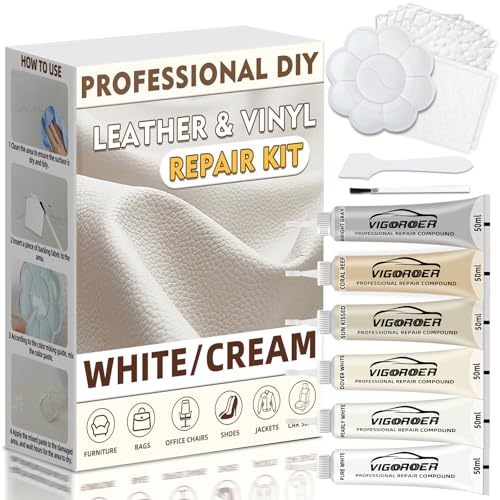
Vigorder Cream Leather Repair Kit for Furniture, Vinyl Repair Kit for Car Interior, Sofa, Purse and Jacket, Restore Any Material with Super Easy Instructions to Fix Scratches, Tears, Holes, Peeling
Check price on Amazon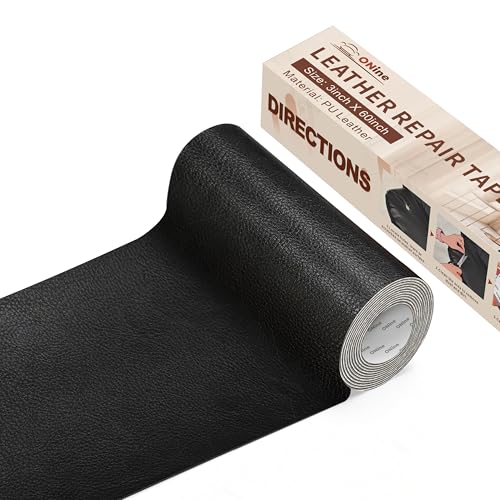
ONine Leather Repair Tape,Self Adhesive Leather Repair Patch,Leather Patches for Furniture,Sofa,Car Seats,Office Chair. Vinyl Repair Kit 3x60in (Black)
Check price on Amazon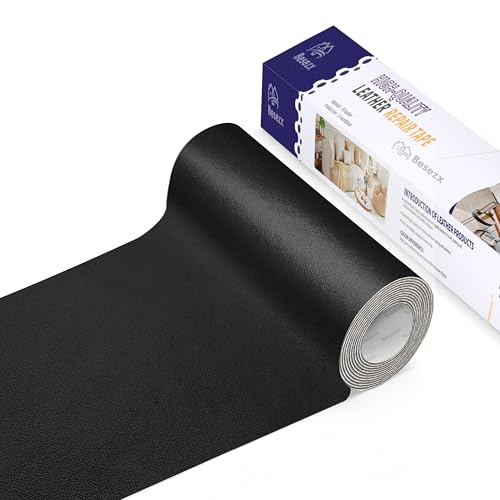
Besezx Leather Repair Patch Tape Kit,Vinyl Repair Kit,Self Adhesive Leather Repair for Furniture, Couch, Sofa, Car Seats,Office Chair.3.1inx60in-Black
Check price on AmazonHow to Repair a Tear in a Leather Sofa
Tears are the most intimidating leather repair, but with a proper sub-patch technique they can be nearly invisible. For small tears under 2 inches, start by cleaning the area with isopropyl alcohol and letting it dry completely. Cut a patch of matching leather or heavy fabric slightly larger than the tear, then insert it behind the tear using tweezers so it sits flush. Apply a flexible leather adhesive to the torn edges and press them together, holding for 60 seconds. Once dry, apply a color-matched leather filler, then finish with a leather protection cream to seal the repair.
For tears larger than 2 inches, or tears along a seam, the repair becomes more complex. Seam tears often indicate the stitching has failed, which is a structural issue. If your sofa is still under warranty, check our leather sofa warranty guide before attempting any repair — DIY work can void coverage. For larger damage, professional leather sofa reupholstery may be more cost-effective than a patch kit, especially on high-visibility seating areas.
Cost expectation: A DIY tear repair kit costs $25–$60. Professional tear repair runs $150–$400 depending on size and location.
Fixing Scratches, Scuffs & Surface Marks
Scratches are the most common leather sofa complaint, especially in households with pets or children. Superficial scratches that appear white or light often disappear with a simple conditioning treatment — the scratch is just displaced surface oils. Apply a quality leather conditioner with a soft cloth in circular motions and buff gently. For deeper scratches that have removed pigment, use a leather color restorer matched to your sofa's shade. Our leather sofa scuff mark repair guide covers the full process in detail.
If your sofa is a dark brown or black, a leather scratch repair pen can be a quick fix for minor marks. For lighter or aniline leathers, color matching is critical — always test on a hidden area first. Sun fading creates a different problem: large areas of uneven color that can't be spot-repaired. In that case, leather sofa color restoration across the entire surface may be necessary. To prevent future scratches, keep pet nails trimmed and consider a leather sofa cover for high-traffic periods.
Cost expectation: Scratch repair pen $10–$20. Professional color restoration $200–$600.
Repairing Cracks, Dryness & Surface Peeling
Cracking and peeling are signs that the leather has lost moisture and its protective finish is breaking down. This is common in dry climates or on sofas placed near heating vents. The first step is always rehydration — a deep conditioning treatment can stop the cracking from spreading. Our leather sofa deep conditioning guide explains the correct technique, which involves applying conditioner in thin layers and letting it absorb over several hours.
If the surface has already begun to peel, the repair is more involved. Peeling typically affects the pigmented top layer, and it needs to be removed, smoothed, and refinished. For minor peeling, a leather filler and color restorer can work. For widespread peeling — especially on bonded leather sofas — repair may not be economically viable, and replacement is often the smarter choice. Before you decide, review our leather sofa buying mistakes to avoid the same problem next time.
Humidity control is essential for prevention. Our leather sofa humidity control guide explains how to maintain the 40–50% relative humidity that leather needs to stay supple.
Cost expectation: Deep conditioning treatment $15–$40. Full refinishing $300–$800.
Frame, Seam & Structural Repairs
Not all leather sofa damage is cosmetic. A squeaking, wobbling, or sagging sofa usually points to frame or joint failure. Common causes include loose screws, cracked hardwood sofa frames, or broken spring cushion supports. Fixing a loose frame often just means tightening bolts and adding wood glue to joints — a straightforward DIY job. Cracked frame rails are more serious and may require reinforcement with metal brackets or partial frame replacement. Our leather sofa frame repair guide covers these scenarios in detail.
Cushion problems are another structural issue. Sagging seat cushions can be caused by compressed foam cushion cores, broken springs, or worn batting. If the foam has lost its resilience, replacement is the only fix. For sofas with high-resilience foam sofas, cushions often last 8–10 years before needing replacement. Rotating cushions regularly extends their life — see our leather sofa cushion rotation guide for the schedule.
Cost expectation: DIY frame tightening $0–$20. Professional frame repair $200–$500. Cushion replacement $80–$300 per cushion.
DIY vs Professional Repair: When to Call an Expert
Knowing when to stop DIYing and call a pro saves money and prevents further damage. DIY is appropriate for: minor scratches, small tears under 2 inches, surface scuffs, and routine conditioning. Call a professional for: tears over 2 inches, seam failures, large areas of color loss, structural frame damage, and any repair on an antique or high-value sofa. Our antique leather sofa restoration guide explains why vintage pieces should always go to a specialist.
Another factor is leather type. Aniline and semi-aniline leathers (common on full-grain leather sofas) are difficult to color-match and should be handled by a professional. Protected and pigmented leathers are more forgiving for DIY work. If your sofa is still under warranty, always check the terms first — many require professional repair to maintain coverage. Our leather sofa warranty guide breaks down what's typically covered.
When repair isn't worth it: If the repair cost exceeds 50% of a replacement sofa's value, or if the leather is extensively cracked and peeling (common with bonded leather sofas), replacement is the smarter financial decision.
Preventing Future Leather Sofa Damage
The best repair is the one you never need. A consistent care routine prevents most damage before it starts. Start with a leather sofa daily cleaning routine — just 2 minutes of dusting with a dry microfiber cloth keeps grit from abrading the surface. Follow with deep conditioning every 6–12 months using our leather sofa deep conditioning guide. For households with pets, our leather sofa pet protection guide covers scratch-resistant strategies, and for families with young children, see leather sofa child-proofing.
Environmental protection matters too. Direct sunlight causes fading and drying — use leather sofa sun fade protection strategies like UV window film or repositioning. Low humidity causes cracking, so maintain humidity with a humidifier during dry months. Our leather sofa humidity control guide explains the ideal range. For sofas in high-traffic areas, a leather sofa cover provides an extra layer of defense without hiding the leather's beauty.
Finally, address spills immediately. Blot — never rub — with a clean cloth, and follow our leather sofa liquid spill cleanup guide for specific spill types. For ink stains, our leather sofa ink stain removal guide has you covered.
Repair or Replace? Making the Right Call
Every leather sofa owner eventually faces this question. Use this rule of thumb: if the repair costs less than 30% of a comparable new sofa, repair. If it's 30–50%, weigh the sofa's age, sentimental value, and remaining lifespan. Above 50%, replacement is usually smarter. A well-maintained full-grain leather sofa can last 20+ years and is worth repairing; a bonded leather sofa that's already peeling at year 5 is not.
Consider the sofa's role in your home too. A statement piece in your living room justifies more investment in repair than a secondary sofa in a bedroom or home office. And if you're considering replacement, our leather sofa shopping and reviews hub can help you choose a more durable upgrade. Check our leather sofa dimension chart to make sure a new sofa fits your space before you buy.
Frequently Asked Questions About Leather Sofa Repair
Can I repair a leather sofa tear myself?
Yes, small tears under 2 inches can be repaired at home with a leather repair kit. Clean the area, use a sub-patch behind the tear, apply flexible adhesive, then color-match and seal. Larger tears or seam failures should be handled by a professional to avoid visible, weak repairs.
How much does leather sofa repair cost?
DIY repairs cost $10–$60 in materials. Professional repairs range from $150 for a small tear to $800+ for full refinishing or frame repair. Reupholstery typically runs $800–$2,500 depending on sofa size and leather quality.
Is it worth repairing a bonded leather sofa?
Usually not. Bonded leather has a thin surface layer that peels and rarely repairs cleanly. If more than 20% of the surface is peeling, replacement with a top-grain or full-grain sofa is more cost-effective long-term.
How do I match the color of my leather sofa for repair?
Check the manufacturer's tag for the color name, or use a leather color matching kit with multiple pigment samples. Test on a hidden area first. Aniline and semi-aniline leathers are the hardest to match — professional restoration is often the only way to get an invisible result.
Can scratched leather be repaired without replacing the panel?
Yes. Surface scratches often disappear with conditioning. Deeper scratches that remove pigment can be repaired with color restorer and a leather filler. Only severely damaged panels with structural tears require replacement.
How can I prevent my leather sofa from cracking?
Condition every 6–12 months, keep the sofa out of direct sunlight, maintain 40–50% indoor humidity, and clean spills immediately. Regular conditioning is the single most effective prevention against cracking.
Final Thoughts: Repair Early, Save More
Leather sofa repair is almost always worth attempting before replacement — especially on quality pieces. The key is early intervention: a scratch treated today won't become a crack tomorrow, and a small tear patched this week won't become a seam failure next month. Bookmark this guide, gather the right products from our recommended kit list above, and make repair a routine part of your leather sofa care strategy.
For a deeper dive into every aspect of leather furniture ownership, explore our repair and maintenance hub and leather material hub. If you're still shopping for a sofa, start with our first leather sofa checklist to choose a piece that will reward you with decades of easy maintenance.