
Leather Sofa Water Damage Restoration
How to save your water-damaged leather sofa: emergency steps, drying techniques, mold prevention, and professional repair options.
START RESTORATIONWhy This Guide Matters: Water damage is one of the most misunderstood threats to leather furniture. Unlike fabric, leather doesn't simply "dry out" — it can stiffen, crack, develop mold, and lose its natural oils within days. The actions you take in the first 24–48 hours determine whether your sofa is salvageable. This guide gives you a clear, professional-grade restoration roadmap so you can act fast and avoid costly mistakes.
Understanding What Water Does to Leather
Leather is a natural material composed of collagen fibers and oils that keep it supple. When water penetrates the surface — whether from a burst pipe, flooding, a spilled drink, or prolonged humidity — it disrupts this delicate balance. The water displaces the natural oils, swells the fibers, and creates an environment where bacteria and mold thrive.
The severity of the damage depends on three factors: the type of leather (full-grain vs. bonded), the volume of water absorbed, and the time elapsed before treatment. A light spill on a bonded leather sofa may dry without lasting harm, while a full-grain sofa soaked by a flood needs immediate, intensive restoration. Understanding which leather grade you own is essential — our guide on Full-Grain vs Top-Grain Leather breaks down the durability differences, and if you're unsure whether your sofa is genuine or synthetic, Bonded vs Genuine Leather Sofas will help you identify it.
If you're still in the buying phase and want to avoid water-prone materials altogether, exploring highest rated leather sofas can reveal models known for water resistance and durability.
⚠️ Critical Warning: Never use a household hair dryer or space heater directly on wet leather. High heat causes the leather to shrink, crack, and warp permanently. Always dry at room temperature with controlled airflow.
Emergency Steps: The First 24–48 Hours
Immediate action is the single most important factor in successful restoration. Follow these steps in order.
Stop the Water Source
Shut off the water supply, move the sofa away from the leak, and remove it from standing water. If flooding is ongoing, prioritize safety and call a professional restoration service.
Blot, Don't Rub
Use clean, dry microfiber towels to blot excess moisture from the surface. Rubbing pushes water deeper into the leather and can cause discoloration. Replace towels frequently.
Remove Cushions and Pillows
Detach all removable cushions and unzip covers if possible. Dry them separately — cushions hold the most water and can develop mold if left inside the frame.
Elevate the Sofa
Place blocks or towels under the legs to lift the sofa off wet flooring. This prevents wicking and allows air to circulate underneath the frame.
Increase Air Circulation
Open windows and use fans to move air across the leather. Position fans at a low speed and indirect angle — direct high-speed air can dry the surface too quickly and cause cracking.
Control Humidity
Use a dehumidifier or air conditioner to pull moisture from the air. Aim for 40–50% relative humidity. This is critical for preventing mold growth in the padding and frame.
Document the Damage
Take photos and notes before and during restoration. This documentation is essential for insurance claims and for tracking whether the damage is improving or worsening.
Assess After 24 Hours
Check for stiffness, discoloration, odor, or mold spots. If the leather feels hard or shows white/green patches, proceed to advanced restoration immediately.
Proper Drying Techniques for Leather
Drying leather is a delicate balance. Too fast, and the surface cracks while the interior stays damp. Too slow, and mold takes hold. The goal is slow, even, thorough drying over 48–72 hours.
- Room temperature only: Keep the room between 65–75°F (18–24°C). Avoid direct sunlight, which fades and dries leather unevenly.
- Indirect airflow: Use oscillating fans placed 6–10 feet away. Rotate the sofa periodically so all sides dry evenly.
- Dehumidifier placement: Position the dehumidifier near the sofa but not directly against it. Empty the reservoir regularly.
- Newspaper or silica packets: Place these inside cushion covers and under the sofa to absorb residual moisture. Replace daily.
- Do not use heat: Avoid hair dryers, radiators, heat guns, and direct sunlight. Heat is the number-one cause of irreversible leather damage.
- Flip cushions: Turn cushions every few hours so both sides dry evenly and don't develop flat spots or mold on the underside.
If the leather begins to feel stiff during drying, it's a sign that natural oils are being lost. This is when conditioning becomes essential — but only after the leather is completely dry. Applying conditioner to damp leather traps moisture and causes mold. For a complete conditioning routine, see our Leather Sofa Conditioning Schedule.
Mold and Mildew Prevention & Removal
Mold is the most serious secondary threat after water damage. It thrives in the damp padding and frame of a sofa, and can spread to the leather surface within 48–72 hours. Mold not only damages the leather but also poses health risks, especially for people with allergies or respiratory conditions.
Prevention is far easier than removal. Keep humidity below 50%, dry the sofa thoroughly, and never store a damp sofa in a closed, unventilated space. If you notice a musty odor, treat it immediately — our guide on Leather Sofa Odor Neutralizing covers safe, leather-friendly methods.
If mold has already appeared:
- Wear gloves, a mask, and eye protection. Work in a well-ventilated area.
- Mix a solution of equal parts white vinegar and water. Vinegar is gentle on leather and kills most mold species.
- Wipe the affected area with a microfiber cloth dampened (not soaked) with the solution.
- Dry thoroughly with a fan. Do not rinse with water — it will feed remaining mold spores.
- For severe mold (black or green patches that return), consult a professional leather restorer. DIY treatments can spread spores deeper into the padding.
Removing Water Stains and Discoloration
Water stains on leather appear as dark rings or patches where minerals and dyes have been displaced. These are different from mold and require a different approach. For fresh stains, blot immediately with a dry cloth. For dried stains, you'll need to rehydrate the area gently.
Start by wiping the stain with a slightly damp cloth, then dry immediately. If the stain persists, use a leather-specific cleaner — never use household detergents, vinegar (except for mold), or alcohol, which strip the finish. For a comprehensive approach to cleaning leather surfaces, see our Leather Sofa Embedded Dirt Extraction guide, which covers deep-cleaning techniques that also work on water-stain residue.
For sticky residue left by water-damaged adhesives or spills, Leather Sofa Sticky Residue Removal provides safe removal methods. And if the water damage was caused by a specific liquid like coffee, wine, or juice, our Leather Sofa Liquid Spill Cleanup guide has targeted instructions.
Addressing Structural Damage
Water doesn't just affect the leather surface — it can weaken the frame, warp wood, rust metal components, and damage the recliner mechanism. After the leather has dried, inspect the sofa's structure carefully.
| Component | Signs of Water Damage | Action |
|---|---|---|
| Wood Frame | Soft spots, warping, swelling, cracking | Dry thoroughly; if warped, consult a furniture repair specialist |
| Metal Recliner Mechanism | Rust, stiffness, grinding noises | Apply lubricant; replace rusted parts — see Recliner Mechanism Repair |
| Cushion Foam | Musty smell, loss of shape, mold | Replace if moldy; see Cushion Replacement |
| Leather Seams | Loose stitching, splitting | Repair promptly — see Seam Repair |
| Leather Surface | Cracks, tears, stiffness | Patch or refinish — see Tear Patch Guide |
If the water damage has caused the leather to tear or crack, our Leather Sofa Leather Patching Guide explains how to repair small to medium tears. For larger areas or if the leather has lost its finish, Leather Sofa Surface Refinishing can restore color and texture.
When to Call a Professional
Not all water damage can be fixed at home. Knowing when to call a professional leather restoration specialist can save you from making the damage worse. Consider professional help if:
- The sofa was submerged in floodwater (contaminated water requires professional disinfection).
- Mold has penetrated the padding or frame and keeps returning.
- The leather has become hard, brittle, or has large cracks.
- The frame is warped or structurally compromised.
- The sofa is a high-value or antique piece — see Heirloom Leather Sofa Restoration.
Professional restoration typically costs between $300 and $1,500 depending on the extent of damage, the size of the sofa, and the type of leather. In some cases, restoration may not be economically viable — especially for bonded or faux leather, which cannot be reconditioned the way full-grain leather can. If you're facing that situation, exploring editor's choice leather sofas or community favorite leather sofas can help you find a durable replacement that resists future water damage.
Preventing Future Water Damage
Once your sofa is restored, take steps to protect it from future incidents. Prevention is always cheaper and less stressful than restoration.
- Apply a leather protector: A quality leather protection cream creates a barrier against spills and moisture. See our Leather Sofa Polishing Guide for application tips.
- Maintain proper humidity: Keep your living room between 40–50% humidity year-round. Use a dehumidifier in damp climates or basements.
- Keep the sofa off the floor: Use furniture feet or risers to allow air circulation underneath and prevent wicking from wet floors.
- Position away from windows: Avoid placing leather sofas directly under windows where rain, condensation, or drafts can cause moisture damage.
- Address leaks immediately: A small roof leak or pipe drip can cause months of hidden damage. Fix water sources before they reach your furniture.
- Use a protective cover: If your sofa is in a high-risk area (near a pool, in a basement, or in a humid climate), consider a breathable leather sofa cover for extra protection.
- Pet and child protection: Accidents happen. Our Leather Sofa Pet Protection and Leather Sofa Child-Proofing guides offer practical strategies for minimizing moisture damage from spills and accidents.
Frequently Asked Questions
Can a water-damaged leather sofa be saved?
Yes, in many cases. Full-grain and top-grain leather can often be restored if treated within 24–48 hours. Bonded and faux leather are more difficult because they lack the natural fiber structure that allows reconditioning. The key is immediate action: blot, dry, and condition.
How long does it take for a wet leather sofa to dry?
Surface moisture dries in 6–12 hours with good airflow. Deep moisture in the padding and frame takes 48–72 hours. Never rush the process with heat — it causes permanent damage.
Does water damage always cause mold on leather?
No, but the risk is high if humidity stays above 60% or if the sofa remains damp for more than 48 hours. Mold grows in the padding and frame first, then spreads to the leather surface. Prevention through drying and dehumidification is essential.
Can I use a hair dryer on a wet leather sofa?
Never. High heat causes leather to shrink, crack, and lose its finish permanently. Always dry at room temperature with fans and a dehumidifier.
How much does professional leather sofa water damage restoration cost?
Professional restoration typically costs between $300 and $1,500 depending on the damage severity, sofa size, and leather type. In cases of severe flooding or mold contamination, costs can exceed $2,000. Compare this to replacement cost before deciding.
What's the difference between water damage and water stains on leather?
Water damage refers to structural and material harm — swelling, mold, stiffness, and cracking. Water stains are cosmetic discoloration caused by minerals and displaced dyes. Stains can often be treated with gentle cleaning, while damage requires full restoration.
Related Restoration & Care Guides
Water damage restoration often overlaps with other repair and maintenance tasks. Explore these related guides to build a complete care strategy:
- Leather Sofa Repair Guide — the complete hub for all leather sofa repairs.
- Leather Sofa Tear Patch Guide — fix tears caused by water-related stiffness.
- Leather Sofa Conditioning Schedule — restore oils lost during drying.
- Leather Sofa Odor Neutralizing — eliminate musty smells after water exposure.
- Leather Sofa Surface Refinishing — restore color and finish after water stains.
- Leather Sofa Wood Trim Restoration — repair warped or water-damaged wooden accents.
- Leather Sofa Batting Replacement Guide — replace water-damaged padding.
Ready to Restore Your Leather Sofa?
Explore our full collection of repair, maintenance, and restoration guides to protect your investment.
VISIT REPAIR & MAINTENANCE HUB →Recommended Leather Sofa Restoration Products
⚠️ AFFILIATE DISCLOSURE: This website contains affiliate links. As an affiliate Associate, we earn from qualifying purchases. If you make a purchase through these links, we may receive a small commission at no additional cost to you. Read our full affiliate policy.

Leather Honey Leather Conditioner – Non-Toxic & Made in the USA Since 1968 | Restores & Protects All Leather — Car Seats, Couches, Furniture, Purses, Shoes & Boots. Safe For Any Color, Including White.
Check price on Amazon
Weiman Leather Cleaner, Conditioner & Protector, Car Interior & Furniture | Cleans Conditions and Restores Leather Surfaces, UV Protectants Help Prevent Cracking or Fading
Check price on Amazon
Leather Honey Leather Cleaner – Non-Toxic & Made in the USA Since 1968 | Deep Cleans Leather, Faux Leather & Vinyl – Restore Couches, Car Seats, Purses, Shoes & Bags. For Any Color, Including White
Check price on Amazon
Furniture Clinic Leather Complete Restoration Kit, Dark Brown, 5 Piece | This leather repair kit includes leather recoloring balm, leather cleaner, protection cream & conditioner, sponge & cloth.
Check price on Amazon
Brown Leather Repair Kit for Furniture, Leather Couch Repair Kit for Car Interior, Sofa, Purse and Jacket, Restore Any Material with Super Easy Instructions to Fix Scratches, Tears, Holes, Peeling
Check price on Amazon
Leather Honey Complete Leather Care Kit – Non-Toxic, Made in USA | Trusted Since 1968. Complete Kit Includes Cleaner, Conditioner and Cloths. Clean & Restore Couches, Car Seats, Shoes & Boots.
Check price on Amazon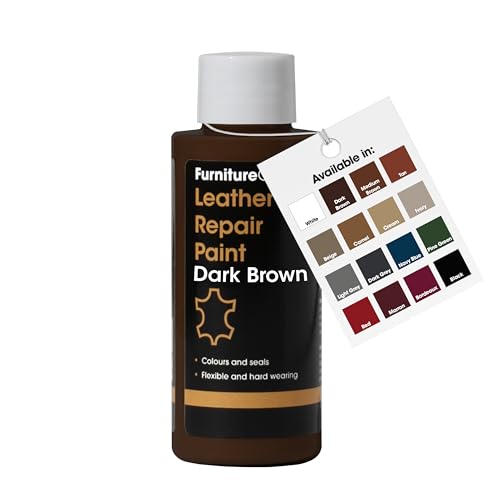
Furniture Clinic Leather Repair Paint, Color and Finish, Dark Brown | This 1.7 oz bottle of 2-in-1 formula dries flexible & repairs scratched & faded leather sofas, car seats handbags & more.
Check price on Amazon