
Leather Sofa Batting Replacement Guide: Restore Comfort and Shape
Does your leather sofa feel flat, lumpy, or uncomfortable? Over time, the batting inside your sofa cushions compresses, shifts, and loses its ability to bounce back. The good news is that replacing the batting is one of the most cost-effective ways to bring your leather sofa back to life—without the expense of a full reupholstery job.
In this comprehensive guide, you'll learn how to identify when batting replacement is necessary, choose the right materials, and complete the replacement step by step. Whether you own a leather power reclining sofa with lumbar support or a classic traditional leather sofa set, this guide will help you restore firm, supportive comfort.
What Is Sofa Batting and Why Does It Matter?
Sofa batting is the layer of fibrous material that sits between the foam core of your cushion and the outer leather cover. It provides softness, shape, and a smooth appearance. Think of it as the "padding" that gives your leather sofa its plush, inviting feel. Without proper batting, even high-quality foam can feel hard, and the leather cover may appear wrinkled or loose.
Batting also protects the foam from friction against the leather, extending the life of both materials. When batting compresses or deteriorates, your sofa loses its comfort and visual appeal. For owners of full leather sofa beds or frequently used family sofas, batting replacement becomes essential every 5–10 years.
Quick Facts About Sofa Batting
- Primary function: Cushioning, shape retention, and protection
- Common materials: Polyester fiber, cotton, down blend, high-resilience foam
- Lifespan: 5–10 years depending on use and material quality
- Replacement cost: $50–$300 for DIY, $300–$800+ for professional service
Signs Your Leather Sofa Needs Batting Replacement
Not sure if it's time to replace the batting? Look for these telltale signs:
- Visible sagging or flattening: Cushions no longer spring back after sitting.
- Lumpy or uneven surface: You can feel clumps or shifting material under the leather.
- Wrinkled or loose leather: The cover looks baggy because the batting underneath has compressed.
- Decreased comfort: Sitting feels hard or you can feel the foam core or springs.
- Visible wear on seams: Excess movement from collapsed batting can stress seams. If you notice seam issues, see our leather sofa seam repair guide.
- Age of the sofa: If your sofa is over 7 years old and has never had batting replaced, it's likely due.
If you're also noticing odors or embedded dirt, you may need to combine batting replacement with a deep cleaning. Check our guides on leather sofa odor neutralizing and embedded dirt extraction for a complete refresh.
Types of Batting Materials: Which Is Best for Your Leather Sofa?
Choosing the right batting material is crucial for comfort, durability, and the overall feel of your sofa. Here's a breakdown of the most common options:
| Material | Best For | Durability | Cost |
|---|---|---|---|
| Polyester Fiberfill | All-purpose, soft cushioning | Moderate (3–5 years) | $ |
| High-Resilience (HR) Foam | Firm support, frequent use | High (7–10 years) | $$ |
| Down/Feather Blend | Luxury, plush comfort | Moderate (requires fluffing) | $$$ |
| Cotton Batting | Natural, breathable feel | Moderate (5–7 years) | $$ |
| Memory Foam | Contouring, pressure relief | High (5–8 years) | $$$ |
For most leather sofas, a combination of HR foam for the core and polyester fiberfill for the outer wrap provides the best balance of support and softness. If you own a leather sofa with built-in recliners, choose a firmer batting to maintain mechanism alignment.
⚠️ Important: Avoid using cheap, low-density foam or loose cotton that compresses quickly. It may save money upfront but will need replacing again within a year or two.
Tools and Materials You'll Need
Before you start, gather everything you need. A well-prepared workspace makes the job faster and safer.
- New batting material (enough to fill all cushions, plus 20% extra)
- Heavy-duty scissors or electric carving knife for cutting foam and batting
- Spray adhesive (foam-safe) or upholstery glue
- Staple gun and staples (if reattaching to frame)
- Zipper repair kit (if cushion covers have zippers)
- Seam ripper (for opening seams if needed)
- Measuring tape
- Dust mask and gloves
- Vacuum cleaner for cleanup
If your sofa has removable cushion covers with zippers, the process is much simpler. For fixed covers, you'll need to carefully open a seam, replace the batting, and then re-stitch. In that case, review our leather sofa tear patch guide for techniques to close seams invisibly.
Step-by-Step Leather Sofa Batting Replacement
Follow these steps carefully to achieve professional-looking results.
-
Remove the cushions from the sofa frame.
Take all seat and back cushions off the sofa. If they're attached with Velcro or ties, detach them gently.
-
Open the cushion covers.
If your cushions have zippers, unzip them and remove the old batting and foam. If there are no zippers, use a seam ripper to open the back seam, then set the cover aside.
-
Inspect the foam core.
Check the existing foam. If it's crumbly, severely compressed, or discolored, replace it entirely. If it's still firm, you can reuse it and just replace the batting wrap. For foam replacement guidance, see our leather sofa cushion replacement guide.
-
Measure and cut the new batting.
Cut batting pieces large enough to wrap completely around the foam core with a 2–3 inch overlap. You'll typically need two layers: one inner layer of firmer batting and one outer layer of softer fiberfill.
-
Wrap the foam core.
Lay the foam core on the batting. Wrap the batting around it, using spray adhesive to secure the edges. Make sure the batting is smooth and free of lumps. For a plush feel, add a second layer of softer batting.
-
Reinsert the wrapped foam into the cover.
Slide the newly wrapped foam core back into the leather cover. Work slowly to avoid tearing the leather or stressing seams. If the cover is tight, use a plastic bag over the foam to help it slide in, then remove the bag.
-
Close the cover.
Zip up the cover or stitch the seam closed using a heavy-duty needle and strong thread. If you're not confident in your stitching, consider hiring a professional upholsterer for this step.
-
Test and adjust.
Place the cushions back on the sofa and sit on them. They should feel firm but comfortable. If they feel too soft, add another layer of batting. If too firm, remove a layer.
-
Clean up and condition.
Vacuum away any loose fibers. Then apply a leather conditioner to keep the leather supple and protected. Our leather sofa conditioning schedule can help you maintain a regular care routine.
Pro Tip: Layer for Best Results
Using two layers—a firmer inner layer and a softer outer layer—mimics the construction of high-end leather sofas. This combination provides support without sacrificing that luxurious sink-in feel.
Cost Breakdown: DIY vs. Professional Service
Understanding the costs helps you decide whether to tackle this project yourself or hire a pro.
| Approach | Estimated Cost | Time Required | Skill Level |
|---|---|---|---|
| DIY Batting Only | $50–$150 | 2–4 hours | Beginner–Intermediate |
| DIY Batting + Foam | $120–$300 | 4–6 hours | Intermediate |
| Professional Replacement | $300–$800+ | 1–3 days (shop time) | Professional |
For a standard 3-seater leather sofa, DIY batting replacement typically costs $50–$150 in materials. If you also replace the foam core, expect $120–$300. Professional services charge $300–$800+ depending on the number of cushions and your location. For high-end sofas like Italian leather sofas or heirloom pieces, professional restoration may be worth the investment to preserve value.
Common Mistakes to Avoid
Learning from others' mistakes can save you time, money, and frustration.
- Using the wrong batting density: Too soft and it collapses quickly; too firm and it feels like sitting on a board.
- Not adding enough batting: Under-stuffing leads to wrinkles and sagging within weeks.
- Overstuffing: Too much batting stresses zippers and seams, causing them to fail. If seams do fail, our seam repair guide can help.
- Skipping the adhesive: Without adhesive, batting shifts and clumps. Always secure layers.
- Ignoring the foam core: If the foam is dead, new batting won't fix the problem. Replace both if needed. See our cushion replacement guide.
- Rushing the reinsertion: Forcing foam into a tight cover can tear the leather. Take your time.
- Forgetting to condition the leather: After handling, the leather may dry out. Always finish with a quality conditioner. Check our leather sofa polishing guide for tips.
If your sofa has water damage or severe structural issues, batting replacement alone won't be enough. In those cases, review our water damage restoration guide or consult a professional.
Maintenance After Batting Replacement
Once you've replaced the batting, proper maintenance will extend its life and keep your sofa looking great.
- Rotate cushions regularly: Flip and rotate seat cushions every 2–3 months to distribute wear evenly.
- Fluff back cushions: If you used down or fiberfill, fluff them weekly to prevent clumping.
- Keep pets off: Pet claws and oils can damage leather and compress batting. Use our pet protection tips.
- Condition the leather: Apply a leather conditioner every 6–12 months. Follow our conditioning schedule.
- Avoid direct sunlight: UV rays dry out leather and degrade batting. Use curtains or blinds. See our dust barrier tips for more protection ideas.
- Clean spills immediately: Liquid can seep into batting and cause mold. Our spill cleanup guide shows you how.
- Use edge guards: Protect high-wear areas with leather sofa edge guards.
Frequently Asked Questions
Ready to Restore Your Leather Sofa's Comfort?
Explore our recommended leather care products and replacement materials to get started today.
Shop Recommended ProductsRecommended Products for Leather Sofa Batting Replacement
⚠️ AFFILIATE DISCLOSURE: This website contains affiliate links. As an affiliate Associate, we earn from qualifying purchases. If you make a purchase through these links, we may receive a small commission at no additional cost to you. Read our full affiliate policy.

Shintenchi 64" Futon Sofa Bed, Leather Foldable Couch, Upholstered Loveseat Sofa Couch with Folding Cup Holders, Reclining Sleeper with Removable Armrests for Home, Office, Black
Check price on Amazon
88'' Black Faux Leather Couch w/ Charging, 3 Seater Living Room Office Sofa | Faux Leather Sofa, Black Couch, Small Sofa, Mid-Century Modern, Tufted Design, Wider Arms, Side Pockets, Apartment, Bedroom
Check price on Amazon
78" Camel 3 Seater Small Sofa, Faux Leather Sectional Couch for Living Room | Comfy sofa for small spaces, apartments, offices, 2 cup holders, 4 side pockets, metal frame, down & cotton filling
Check price on Amazon
HULALA HOME 84" Faux Leather Sofa, Mid Century Modern 3 Seater Couch, Camel | Button-Tufted Sofa with Metal Legs, Square Armrests, Supportive Cushions, Easy Assembly, for Living Room Bedroom Apartment
Check price on Amazon
61'' Brown Faux Leather Loveseat, Small Tufted Couch for Living Room | Mini Sofa, Love Seat, Comfy 2-Seat Settee with Mid-Century Modern Tufted Design, Office Bedroom Small Spaces, Brown
Check price on Amazon
AMERLIFE 80" Leather Couch, Modern Genuine Leather Sofa, Chesterfield Sofa | Brown Genuine leather, 3 Seather Sofa, Tufted Back, Curved Arms, Mid Century Modern, Home Office & Living Room
Check price on Amazon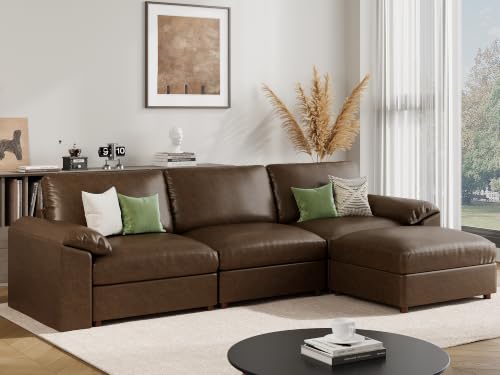
EASE MOOSE Leather Sectional Couch, Modular Sectional Sofa, Deep Brown | Pet-Friendly Faux Leather, Large Deep Seat, Easy to Clean, Solid Wood Frame ,Easy Assembly, Scratch Resistant
Check price on Amazon