
Leather Sofa Protection Cream: The Complete Buyer & Application Guide
Everything you need to know about protecting your leather couch from stains, spills, cracking, and fading — including how to choose the right cream, how to apply it, and how often to reapply.
A leather sofa protection cream is one of the most overlooked yet highest-value accessories you can buy for your living room. Unlike a simple wipe-down, a quality protection cream penetrates the hide, restores lost oils, and leaves behind an invisible barrier that repels spills, blocks stains, and slows down the natural aging process. If you have already invested in a full-grain leather sofa or a top-grain leather sofa, a protection cream is what keeps that investment looking new for years.
In this guide, you will learn what protection cream actually does, how it differs from a conditioner, which leather types it works on, the correct step-by-step application method, and how to build a complete leather sofa care routine around it.
What Is Leather Sofa Protection Cream?
Leather protection cream is a wax- or polymer-based formula designed to sit on and slightly inside the surface of genuine leather. It performs three jobs at once:
- Restores moisture: Leather is skin. Without oils, it dries out, stiffens, and eventually cracks. The cream feeds the hide with natural oils such as lanolin, beeswax, or jojoba.
- Creates a barrier: A thin film forms on the surface that causes liquids to bead up instead of soaking in, buying you precious seconds to wipe spills away.
- Protects color: UV blockers and pigments in some creams slow down fading caused by sunlight, a common problem covered in our leather sofa sun fade protection guide.
The result is a sofa that resists everyday accidents — coffee, wine, pet accidents, oily hands — while staying soft, supple, and richly colored.
Protection Cream vs. Leather Conditioner: What's the Difference?
Many shoppers use the terms interchangeably, but they are not the same product. Understanding the difference helps you avoid over-treating your sofa.
Leather Conditioner
Focuses on restoring moisture and softness. Best for dry, stiff, or older leather that has lost its suppleness. Usually applied more frequently — every 3 to 6 months.
Protection Cream
Focuses on preventing damage. Adds a sacrificial barrier that repels liquids, dirt, and stains. Best for newer sofas or after a deep clean. Usually applied every 6 to 12 months.
In practice, many premium products combine both functions, so a single cream can condition and protect in one pass. If your sofa is brand new, start with a protection cream. If it is several years old and feels dry, begin with a deep conditioning session using our leather sofa deep conditioning guide, then apply protection cream afterward.
Which Leather Types Benefit from Protection Cream?
Not all leather is created equal, and not all leather accepts cream. Here is a quick compatibility breakdown:
| Leather Type | Accepts Protection Cream? | Notes |
|---|---|---|
| Full-Grain Leather | Yes — ideal | Most absorbent, benefits the most from conditioning and protection. |
| Top-Grain Leather | Yes — ideal | Very responsive; use a cream suited to pigmented finishes. |
| Split-Grain Leather | Yes | Works well, though the surface is less porous than full-grain. |
| Bonded Leather | No | Polyurethane coating cannot absorb cream; may become sticky. |
| Faux Leather | No | Use a mild soap-and-water wipe instead of cream. |
If you are unsure which category your sofa falls into, our leather material hub explains every grade in detail.
Key Benefits of Using Protection Cream Regularly
- Stain resistance: Spills bead up instead of soaking in, making cleanup far easier. This pairs perfectly with our ink stain removal guide and scuff mark repair guide.
- Crack prevention: Moisturized leather flexes without splitting, extending the usable life of your sofa by years.
- Color preservation: Slows fading and keeps the leather looking rich instead of washed out.
- Pet and child resilience: A protective layer reduces the damage from claws, sticky fingers, and accidental scratches. See our leather sofa repair guide for fixing damage that has already occurred.
- Higher resale value: Well-maintained leather holds value, especially if you later sell through our secondhand leather sofa buying guide tips.
How to Apply Leather Sofa Protection Cream (Step-by-Step)
Applying protection cream is simple, but doing it correctly makes a huge difference in how well it works and how long it lasts.
- Clean first. Never apply cream over dirt. Vacuum crevices and wipe the surface with a slightly damp microfiber cloth. For a thorough reset, follow our leather sofa daily cleaning routine.
- Test in a hidden spot. Apply a small amount to the back or underside of the sofa and wait 24 hours to confirm there is no discoloration.
- Apply with a soft cloth. Put a coin-sized amount of cream on a clean microfiber or foam applicator pad. Work it into the leather using small circular motions, section by section.
- Don't over-apply. A little goes a long way. Excess cream that does not absorb should be buffed off after 10–15 minutes.
- Buff to a matte finish. Use a dry, clean cloth to remove any residue and even out the finish.
- Let it cure. Allow 4–6 hours (or overnight) before sitting on the sofa. Avoid direct sunlight during curing.
For humid environments, combine this routine with our leather sofa humidity control guide to prevent mold and mildew.
How Often Should You Apply Protection Cream?
Frequency depends on how heavily the sofa is used and the climate you live in.
- Low-use / adult-only home: Every 10–12 months.
- Average family use: Every 6–8 months.
- High-traffic home with kids or pets: Every 3–4 months, and after every deep clean.
- Dry or sunny climates: Every 4–6 months, paired with sun protection.
You should also reapply after any deep cleaning session, since cleaning strips away part of the protective layer. Rotating and flipping cushions regularly, as covered in our leather sofa cushion rotation guide, helps distribute wear between treatments.
How to Choose the Right Protection Cream
Not all creams are formulated the same. Keep these factors in mind when shopping:
- Match the leather finish: Aniline and semi-aniline leathers need gentle, oil-based creams. Pigmented and protected leathers can handle slightly heavier wax formulas.
- Check for UV protection: Important if your sofa sits near a window.
- Avoid silicone and petroleum: These can clog pores and attract dirt over time.
- Look for neutral pH: Harsh chemicals dry out leather and shorten its lifespan.
- Consider combined products: A cream that both conditions and protects saves time and money.
If you are building a full maintenance kit, our leather sofa care and accessories hub covers everything from brushes to covers and conditioners.
Common Mistakes to Avoid
- Applying to dirty leather: Traps dirt under the cream and can cause a gritty texture.
- Using too much product: Leads to a greasy finish and attracts dust.
- Using the wrong product on bonded or faux leather: Damages the polyurethane coating.
- Skipping the test patch: Some leathers react differently to certain oils.
- Applying in direct sunlight: Causes uneven absorption and streaks.
- Ignoring existing damage: Fix tears and scuffs first using our leather sofa repair guide.
Building a Complete Protection Ecosystem
Protection cream is only one piece of a broader strategy. For maximum longevity, combine it with:
- A daily cleaning routine to remove dust and body oils.
- Sun fade protection to prevent color loss.
- Humidity control to prevent mold and cracking.
- A quality sofa cover for periods of non-use.
- Warranty awareness so you don't void coverage with the wrong product.
Together, these habits preserve not just the look of your leather, but its structural integrity — the difference between a sofa that lasts five years and one that lasts fifteen.
Recommended Leather Sofa Protection Cream
⚠️ AFFILIATE DISCLOSURE: This website contains affiliate links. As an affiliate Associate, we earn from qualifying purchases. If you make a purchase through these links, we may receive a small commission at no additional cost to you. Read our full affiliate policy.

Leather Masters 1 Litre Leather Protection Cream
Check price on Amazon
LEATHER MASTER 250ML Leather Protection Cream - Leather Cleaner and Conditioner for Couch Clothes Purses Shoes Boots Car Leather Water Based Formula
Check price on Amazon
UNITERS Leather Protection Cream 250 milliliters
Check price on Amazon
Weiman Leather Cleaner, Conditioner & Protector, 2 Pack Spray with Cloth | UV Protection from Cracking & Fading, All Finished Leather Surfaces, Auto, Sofas, Shoe, Bag & Jacket
Check price on Amazon
Furniture Clinic Leather Complete Restoration Kit, Dark Brown, 5 Piece | This leather repair kit includes leather recoloring balm, leather cleaner, protection cream & conditioner, sponge & cloth.
Check price on Amazon
Furniture Clinic Leather Complete Restoration Kit, Medium Brown, 5 Piece | This leather repair kit includes leather recoloring balm, leather cleaner, protection cream & conditioner, sponge & cloth.
Check price on Amazon
Masa Kawa Leather Care Conditioner, Moisturizer Cream for Leather Products | Restorer Lotion Softener Cleaner, 4.06oz Polish Protection Balm for Purse, Bag, Car Seat, Boot, Jacket, Couch, Shoe, Gloves
Check price on Amazon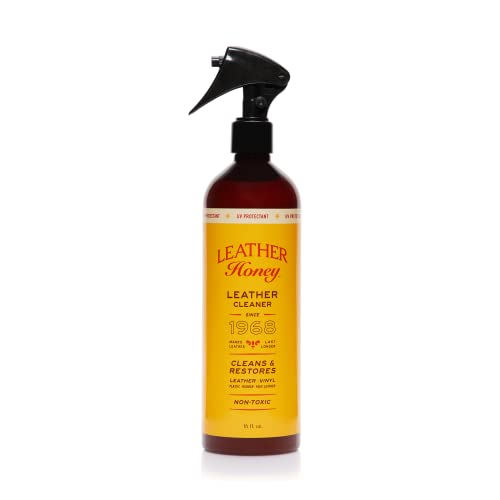
Leather Honey Leather Cleaner — Non-Toxic UV Protection, Made in the USA | Trusted Since 1968 — Clean & Protect Any Color Leather, Faux & Vinyl Couches, Furniture, Car Seats, Purses, Shoes & Boots.
Check price on AmazonFrequently Asked Questions
How often should I apply leather sofa protection cream?
Most manufacturers recommend every 6 to 12 months for moderate use, and every 3 to 4 months for high-traffic family sofas or homes with pets and children.
Can I use protection cream on bonded or faux leather?
No. Protection creams are formulated for genuine, top-grain, and full-grain leather. Bonded and faux leather have a polyurethane surface coating that cannot absorb cream and may become sticky or discolored.
Does protection cream prevent cracking?
Yes. By restoring lost oils and moisture, a quality cream keeps the hide supple and flexible, dramatically reducing the risk of surface cracking over time.
Is protection cream the same as leather conditioner?
They overlap but are not identical. A conditioner restores moisture and softness, while a protection cream adds a barrier layer that repels liquids and stains. Many modern products combine both functions.
Can I apply protection cream to a brand new sofa?
Yes — in fact, this is the best time. New leather is at its most absorbent, and sealing it early prevents stains from ever penetrating.
Final Thoughts
A leather sofa protection cream is a small investment with a huge payoff. It keeps your leather soft, shields it from the accidents of daily life, and preserves the color and texture that made you fall in love with leather in the first place. Choose a cream suited to your leather type, apply it correctly, and reapply on a consistent schedule. Pair it with a solid care and accessories routine, and your sofa will look stunning for a decade or more.
Whether you own a sleek modern leather sofa or a cozy rustic leather sofa, the rules are the same: clean, condition, protect, repeat.