
Leather Sofa Legs and Feet Guide
Discover how the right legs and feet can transform your leather sofa's style, stability, and functionality. From wooden tapered legs to sleek metal frames, learn everything you need to choose the perfect base for your sofa.
START EXPLORINGWhat You'll Learn
Why Leather Sofa Legs and Feet Matter
When shopping for a leather sofa, most buyers focus on the upholstery grade, cushion fill, and frame construction. However, the legs and feet are equally important—they influence the sofa's visual weight, stability, and even how well it fits into your living space. A poorly chosen leg style can make a premium leather sofa look cheap, while the right base can elevate a mid-range piece into a design statement.
Beyond aesthetics, sofa legs determine how your furniture interacts with your flooring. The wrong material or shape can scratch hardwood, sink into carpet, or create instability over time. If you're in the research phase and want to understand the full anatomy of a leather sofa, our leather material hub covers upholstery grades, while this guide focuses specifically on the base.
Whether you're drawn to a mid-century leather sofa with tapered walnut legs or a modern leather recliner sofa with hidden metal feet, understanding your options ensures you make a confident purchase. For a broader overview before diving into legs, the first leather sofa checklist is an excellent starting point.
Popular Leather Sofa Leg Styles
The style of your sofa legs dramatically affects its overall aesthetic. Here are the most common options you'll encounter:
Tapered Wooden Legs
Tapered legs are a hallmark of mid-century modern design. They angle inward from top to bottom, creating a lightweight, floating appearance. This style pairs beautifully with walnut leather sofas and mid-century leather sofas. Tapered legs are typically made from hardwoods like walnut, oak, or maple and are ideal for smaller living rooms where visual lightness is desired.
Block Legs
Block legs are square or rectangular and offer a sturdy, grounded look. They're common on traditional leather recliners and heavier sectionals. Block legs provide excellent stability and are often finished in dark stains to complement rich leather tones.
Turned Legs
Turned legs feature decorative curves and detailing, often seen on Chesterfield leather sofas and classic designs. They add a touch of old-world craftsmanship and work well in formal living rooms. Turned legs are usually made from solid wood and can be quite ornate.
Metal Legs
Metal legs—often stainless steel, chrome, or powder-coated iron—bring an industrial or contemporary edge. A leather sofa with chrome legs creates a sleek, modern look perfect for urban apartments. Metal legs are durable, easy to clean, and resistant to moisture. Explore our industrial leather sofas guide for more inspiration.
Hidden or Recessed Legs
Some sofas, particularly low-profile leather sofas, feature hidden legs that sit further back, giving the appearance that the sofa is floating. This minimalist approach works well in small living room layouts and contemporary spaces.
Angled or Splayed Legs
Angled legs extend outward from the sofa frame, providing a wider stance and a more dynamic silhouette. They're often found on modular leather sofas and Scandinavian-inspired designs like Nordic leather sofa styling.
Materials & Durability: What Are Your Sofa Legs Made Of?
The material of your sofa legs affects durability, maintenance, and how well they match your existing décor. Here's a breakdown of the most common materials:
| Material | Durability | Best For | Price Range |
|---|---|---|---|
| Solid Hardwood (Walnut, Oak, Maple) | Excellent | Mid-century, traditional, and rustic styles | $800–$2,500 (sofa total) |
| Engineered Wood / Plywood | Good | Budget-friendly sofas, hidden legs | $500–$1,200 |
| Stainless Steel / Chrome | Excellent | Modern, industrial, contemporary | $1,200–$3,000 |
| Powder-Coated Iron | Very Good | Industrial, rustic, loft-style | $900–$2,200 |
| Aluminum | Good | Lightweight modern sofas | $1,000–$2,500 |
| Plastic / Nylon | Fair | Budget sofas, temporary use | $300–$800 |
For a deeper dive into frame construction, see our guides on plywood sofa frames and metal sofa frames. If you're restoring an older piece, our leather sofa wood trim restoration article covers refinishing wooden legs.
Height & Proportion: Getting the Balance Right
The height of your sofa legs affects both comfort and aesthetics. Here's what to consider:
Low Legs (2–4 inches)
Low legs give a sofa a grounded, substantial feel. They're common on low-profile leather sofas and heavier sectionals. Low legs work well in rooms with high ceilings but can make small spaces feel cramped. If you have a leather sectional sofa, low legs help it feel integrated into the room.
Mid-Height Legs (5–7 inches)
This is the most versatile range. Mid-height legs allow for easy cleaning underneath and create a balanced silhouette. Most 3-seater sofas and loveseats fall into this category.
Tall Legs (8+ inches)
Tall legs create an airy, floating effect. They're ideal for mid-century leather sofas and modern leather recliner sofas. Tall legs make small rooms feel larger but may not suit formal or traditional settings.
Pro Tip: Measure your doorway and hallway before choosing a sofa with tall legs. Some styles can be difficult to maneuver through tight spaces. Our leather sofa dimension chart can help you plan.
Proportion matters too: a heavy, overstuffed leather sofa with tiny legs will look unbalanced. Conversely, a sleek tuxedo leather sofa with chunky block legs may appear clunky. Always view the sofa from multiple angles—or check customer photos—before buying.
Matching Sofa Legs to Your Flooring
Your flooring type should influence your choice of sofa legs. Here's how to avoid common mistakes:
Hardwood Floors
Metal and hard plastic legs can scratch hardwood. Opt for wooden legs with felt pads, or choose metal legs with rubber tips. A leather sofa and area rug matching guide can help you protect your floors while adding style.
Carpet
On thick carpet, thin metal legs may sink and become unstable. Wider block legs or wooden legs distribute weight better. If you have a leather sofa with storage, ensure the legs can support the extra weight when the storage is full.
Tile or Stone
Tile can crack under heavy point loads. Use wide, flat feet or add protective coasters. Metal legs with rubber bases work well here.
Vinyl or Laminate
These surfaces are prone to scratches. Felt pads are essential. Consider a leather sofa area rug matching setup to add a protective layer.
Pros & Cons of Common Sofa Leg Materials
Wooden Legs
- Warm, natural aesthetic
- Easy to refinish or repair
- Complements leather beautifully
- Can be custom-stained
- Absorbs sound better than metal
Wooden Legs
- Can crack in dry climates
- Susceptible to water damage
- May scratch floors without pads
- Heavier than metal
- Requires periodic maintenance
Metal Legs
- Extremely durable
- Sleek, modern look
- Easy to clean
- Resistant to moisture and pests
- Supports heavy weight
Metal Legs
- Can scratch flooring
- Cold to the touch
- May squeak over time
- Less forgiving if damaged
- Can feel industrial in formal settings
Buying Checklist: What to Look For
Before finalizing your leather sofa purchase, run through this checklist:
- Check the joinery: Legs should be attached with bolts, screws, or heavy-duty brackets—not just glued. If you're buying a secondhand leather sofa, inspect the leg attachment points carefully.
- Test stability: Gently rock the sofa. If it wobbles, the legs may be uneven or the frame may be compromised. Our leather sofa frame repair guide covers fixes if you discover issues later.
- Consider replacement options: Can the legs be easily removed and replaced? This is useful if you want to change the style later or if a leg gets damaged. Our leather sofa repair guide has more details.
- Match your style: Ensure the legs complement your overall design. A contemporary leather sofa styling approach may call for chrome, while Nordic leather sofa styling favors light wood.
- Check floor protection: Buy felt pads or rubber tips immediately. This small investment prevents costly floor damage.
- Verify weight capacity: If you have a large sofa like a 7-seater leather sofa, ensure the legs are rated for the total weight, including occupants.
- Review the warranty: Some manufacturers cover leg defects. Our leather sofa warranty guide explains what's typically covered.
Frequently Asked Questions
Can I replace the legs on my leather sofa?
Yes, in most cases. Many sofas have legs that are attached with bolts or screws and can be swapped out. However, you'll need to ensure the new legs have compatible mounting hardware and that the height and angle are appropriate for your sofa's frame. If you're unsure, consult a furniture repair professional. Our leather sofa repair guide offers step-by-step advice.
What are the best legs for a heavy leather sofa?
For heavy sofas, solid hardwood or metal legs are best. Avoid plastic or thin engineered wood. Block legs or wide metal bases distribute weight more effectively than thin tapered legs. If you have a large sectional like a leather sectional sofa recliner, check that the legs are rated for the total weight.
How do I stop my sofa legs from scratching my floors?
Attach felt pads or rubber tips to the bottom of each leg. For metal legs, look for specially designed floor-protection caps. You can also place a leather sofa and area rug matching rug underneath to add a protective layer and enhance the room's style.
Do tall legs make a sofa less stable?
Not necessarily. Stability depends on the width of the base and the quality of the leg attachment. Tall legs can be perfectly stable if they're properly engineered. However, very tall, thin legs on a heavy sofa may feel less secure. Always test the sofa in person if possible, or read customer reviews about stability.
What leg style is best for a small living room?
Tapered or tall legs create a visual sense of space, making them ideal for small rooms. A leather sofa lounge sofa with slim legs can make a compact living room feel larger. Avoid chunky block legs, which can make the space feel crowded. For layout tips, see our small living room leather sofa layouts guide.
Are wooden or metal legs better for leather sofas?
Both have merits. Wooden legs offer warmth and tradition, complementing Chesterfield leather sofas and rustic designs. Metal legs provide a modern, industrial look, ideal for industrial leather sofas and contemporary spaces. Choose based on your overall décor and practical needs like floor protection and weight capacity.
Ready to Find Your Perfect Leather Sofa?
Now that you understand how legs and feet impact style, stability, and flooring compatibility, you're ready to shop with confidence. Explore our curated selection of top-rated leather sofas below.
View Recommended Leather SofasRecommended Leather Sofas with Quality Legs & Feet
⚠️ AFFILIATE DISCLOSURE: This website contains affiliate links. As an affiliate Associate, we earn from qualifying purchases. If you make a purchase through these links, we may receive a small commission at no additional cost to you. Read our full affiliate policy.
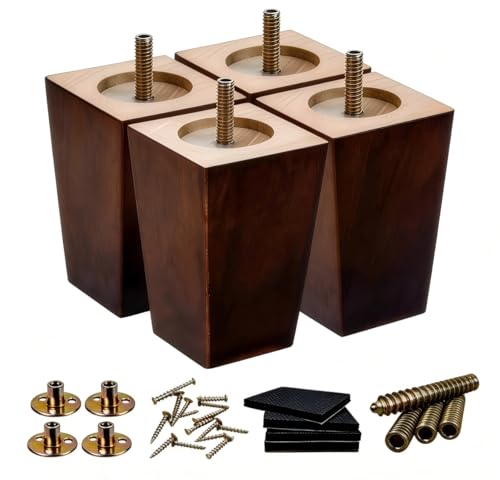
SHANJUE 5 Inch Couch Legs Wood Square Sofa Legs Replacement for Chair, 4PC | 1500lbs heavy duty square feet; fits furniture, dresser, cabinet, bed; M8 & 5/16 hanger bolts; robot vacuum clearance.
Check price on Amazon
Nagpew 16 Pcs Triangle Couch Feet, Plastic Sofa Leg Replacement | Heavy-duty Furniture Corner Foot Kit with Screws for Couch, Bed, Cabinet, 8'' x 5.8'' x 1.6''
Check price on Amazon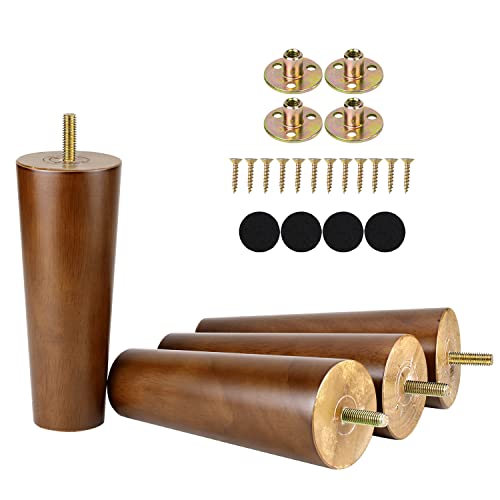
6 Inch Wood Furniture Legs Set of 4 Replacement Feet for Cabinet Couch Chair Sofa Legs Mid Century Predrilled M8 Bolt with Mounting Nuts and Screws
Check price on Amazon
Yaliuliu 6 Inches Round Solid Wood Furniture Legs Set of 4, Brown Wooden Replacement Feet with Threaded 5/16'' Hanger Bolts for Sofa, Couch, Armchair, Cabinet, TV Stand, Ottoman and Dresser
Check price on Amazon
4 Pack Wooden Furniture Legs Chair Couch Feet Replacement 2.5 x 5 Inches | Triangle Corner Sofa Legs Replacement with Screws for Couch Chair Ottoman
Check price on Amazon