
Leather Sofa Sticky Residue Removal
Discover safe, effective methods to eliminate sticky residue from your leather sofa and restore its natural, luxurious finish.
LEARN THE METHODSWhy Sticky Residue Happens: Sticky residue on leather sofas is a common issue caused by adhesive labels, tape, spilled sugary drinks, sunscreen, body oils, or improper cleaning products. Left untreated, these residues attract dust, damage the leather's protective topcoat, and create an unsightly, uncomfortable surface. This guide will walk you through professional-grade removal techniques that are safe for your leather.
Understanding Sticky Residue on Leather
Leather is a natural material with a delicate surface structure. Whether you own a leather sofa and loveseat set or a single leather recliner sofa, sticky residue can appear from various sources. Common culprits include:
- Adhesive labels and tape left on the leather for too long
- Spilled sugary beverages such as soda or juice that dry into a tacky film
- Sunscreen and body lotions that transfer from skin to leather
- Hair products and cosmetics that leave a sticky film
- Improper cleaning products that leave chemical residue behind
- Tree sap or resin tracked in from outdoors
Before attempting any removal method, it's essential to understand your leather type. A leather material hub guide can help you identify whether you have full-grain or top-grain leather, as this affects which cleaning agents are safe to use. If your sofa is part of a leather sofa and matching loveseat set, always test any method on a hidden area first.
Safe Removal Methods for Sticky Residue
Different types of residue require different approaches. Below are the most effective, leather-safe methods recommended by professionals. Always work in a well-ventilated area and use a soft, lint-free cloth.
1. Warm Water & Mild Soap
Best for: Sugar-based residues, light adhesives, and general sticky films.
Method: Mix a few drops of mild dish soap with warm water. Dampen a microfiber cloth (not soaking wet), gently wipe the sticky area in circular motions. Follow with a clean, damp cloth to remove soap residue, then dry immediately with a soft towel.
2. Rubbing Alcohol (Isopropyl)
Best for: Adhesive residue from tape, labels, and stickers.
Method: Apply a small amount of 70% isopropyl alcohol to a clean cloth. Gently dab and wipe the sticky area. Do not pour alcohol directly on the leather. Test on a hidden area first, as alcohol can dry out some leather finishes. Follow with a leather conditioner.
3. White Vinegar Solution
Best for: Sticky residue from sap, cosmetics, and some adhesives.
Method: Mix equal parts white vinegar and water. Dampen a cloth and gently rub the affected area. Vinegar's mild acidity breaks down sticky substances without harsh chemicals. Wipe clean with a damp cloth and dry immediately.
4. Commercial Leather Cleaner
Best for: Stubborn or unknown residues, and for maintaining overall leather health.
Method: Use a pH-balanced leather cleaner specifically designed for your leather type. Apply according to manufacturer instructions, usually with a soft cloth or sponge. This is the safest option for expensive or luxury leather love sofas and high-end leather sofa collections.
5. Adhesive Remover (Leather-Safe)
Best for: Tough adhesive residues that resist other methods.
Method: Use only products labeled safe for leather. Apply to a cloth, not directly on the sofa. Work in small sections. Always follow with a leather conditioner to restore moisture.
6. Eraser Method
Best for: Small, localized sticky spots from tape or light adhesives.
Method: Use a clean, white art eraser or a specialized leather eraser. Gently rub the sticky spot in one direction. This physically lifts the residue without chemicals. Brush away any eraser crumbs afterward.
Step-by-Step Removal Process
For best results, follow this systematic approach. This method works on all leather types, including those found on a mid-century leather sofa or a modern leather recliner sofa.
Step 1: Identify the Residue
Determine what caused the stickiness. Is it adhesive from a label, sugary drink, or body product? This helps you choose the right removal method.
Step 2: Test in a Hidden Area
Always test your chosen cleaning solution on the back or underside of the sofa. Wait 24 hours to ensure no discoloration or damage occurs. This is especially important for antique leather sofa restoration projects or reconditioned leather sofas.
Step 3: Remove Excess Residue
Use a plastic scraper or the edge of a credit card to gently lift any thick, gummy residue. Be careful not to scratch the leather.
Step 4: Apply Your Chosen Method
Working in small sections, apply your chosen cleaning method. Use gentle circular motions with a soft microfiber cloth. Avoid scrubbing aggressively, which can damage the leather's surface.
Step 5: Remove Cleaner Residue
After treating the sticky area, wipe with a clean, damp cloth to remove any soap or cleaner residue. This step is crucial to prevent new sticky buildup.
Step 6: Dry Immediately
Use a dry, soft towel to blot the area completely dry. Never let water or cleaning solutions sit on leather, as this can cause water stains and cracking.
Step 7: Condition the Leather
After cleaning, apply a high-quality leather conditioner. This restores moisture, maintains suppleness, and provides a protective barrier against future residues. For maintenance schedules, refer to a leather sofa care and accessories hub.
⚠️ Important Warning: Never use harsh solvents like acetone, nail polish remover, bleach, or abrasive cleaners on leather. These can strip the finish, cause discoloration, and permanently damage the leather. Avoid oversaturating the leather with any liquid. If you are unsure about your leather type or the residue is extensive, consult a professional leather technician. For general leather care and repair, explore our leather sofa repair guide.
How to Prevent Sticky Residue
Prevention is always better than cure. Here are practical steps to keep your leather sofa residue-free:
- Clean spills immediately. Blot, don't rub, and dry thoroughly.
- Avoid eating sugary or greasy foods on the sofa whenever possible.
- Use a leather protector. Apply a quality leather protection cream regularly to create a barrier. This is especially useful for pet-friendly leather sofas and homes with child-proofing needs.
- Remove labels and tags promptly. Don't leave adhesive labels on leather for extended periods.
- Keep sunscreen and lotions away. If you've applied these products, wait until they're fully absorbed before sitting on leather.
- Dust and vacuum regularly. Use a soft brush attachment to remove dust that can combine with oils to create sticky films.
- Rotate cushions. This prevents uneven wear and reduces the concentration of body oils in one area.
For a complete maintenance routine, see our leather sofa daily cleaning routine and leather sofa conditioning schedule.
Recommended Leather Cleaning & Residue Removal Products
⚠️ AFFILIATE DISCLOSURE: This website contains affiliate links. As an affiliate Associate, we earn from qualifying purchases. If you make a purchase through these links, we may receive a small commission at no additional cost to you. Read our full affiliate policy.

Leather CPR Cleaner and Conditioner 18oz. Bring Leather Back To Life on Furniture, Car Seats, Handbags, Jackets, Boots, Saddles, Purses & Shoes. Restores Shine, Softness & Color to Real Leather
Check price on Amazon
Leather Honey Leather Cleaner – Non-Toxic & Made in the USA Since 1968 | Deep Cleans Leather, Faux Leather & Vinyl – Restore Couches, Car Seats, Purses, Shoes & Bags. For Any Color, Including White
Check price on Amazon
PixelHome Sticky Coating Remover & Soft-Touch Surface Restorer (15mL) | Removes aged sticky film from cosmetic cases, dashboards, soft-touch plastic, controllers, mice. Non-tacky, no alcohol. 15 ml
Check price on Amazon
Tandy Leather Heavy Duty Adhesive Eraser 3454-00
Check price on Amazon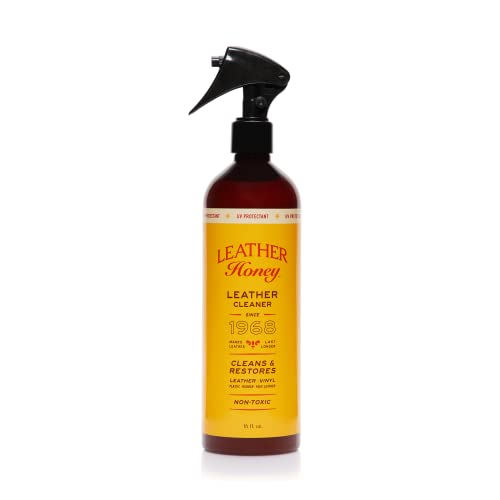
Leather Honey Leather Cleaner — Non-Toxic UV Protection, Made in the USA | Trusted Since 1968 — Clean & Protect Any Color Leather, Faux & Vinyl Couches, Furniture, Car Seats, Purses, Shoes & Boots.
Check price on Amazon
Vuesii Cat Scratch Furniture Protector, Clear Couch Protector 160" x 12.6" | Thick Clear Vinyl, Grid Backing for Cutting, Removable Adhesive, for Leather Sofa, Couch Corner, Door, Bed
Check price on Amazon
KING MOUNTAIN Leather Repair Patch,16 x 60 Inches self Adhesive Leather Repair Tape for Damaged Leather Furniture, Sofa Seating,Car Seats, Leather Goods(Black)
Check price on AmazonFrequently Asked Questions
Can I use Goo Gone on my leather sofa?
Only if the product is specifically labeled as safe for leather. Many adhesive removers contain solvents that can damage leather. Always test on a hidden area first and follow with a leather conditioner. For a leather sofa with chrome legs or delicate finishes, be extra cautious.
How do I remove sticky residue from a bonded leather sofa?
Bonded leather is more delicate than genuine leather. Use only mild soap and water, and avoid alcohol or vinegar. For cheap faux leather sofas and leather-like sectional sofas, gentle cleaning is key. If the residue is stubborn, consult a professional.
Will sticky residue removal damage my leather's color?
If you use the correct methods and test first, color damage is unlikely. However, harsh chemicals or excessive scrubbing can cause fading. For colored leathers like a saddle tan leather sofa or dark blue leather sectional sofa, always use a pH-balanced cleaner and condition afterward. If color loss occurs, consider leather sofa color restoration.
How often should I condition my leather sofa?
Every 6–12 months, depending on use and climate. Dry environments require more frequent conditioning. For a complete schedule, refer to our leather sofa conditioning schedule.
What if the sticky residue keeps coming back?
If residue returns, the source may still be present. Check for hidden adhesives, nearby plants producing sap, or cleaning products leaving films. If the problem persists, a professional leather cleaner may be needed. For extensive issues, explore leather sofa surface refinishing.
Restore Your Leather Sofa's Beauty
Sticky residue doesn't have to ruin your leather sofa's appearance or comfort. With the right techniques and a little patience, you can safely remove almost any sticky substance and restore your sofa's natural elegance. Whether you own a Chesterfield leather sofa, a L-shaped leather sofa, or a leather sectional sofa, proper care and maintenance will keep it looking beautiful for years.
Remember to always test new cleaning methods on a hidden area, use leather-safe products, and condition regularly. For more comprehensive leather care guidance, explore our leather sofa repair and maintenance hub and leather sofa care and accessories hub.