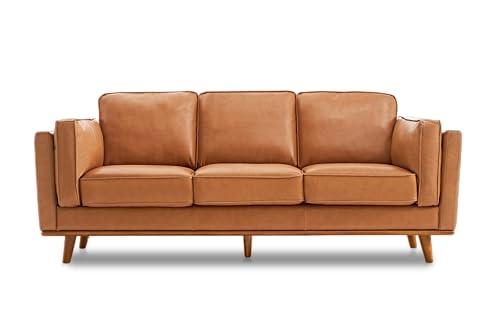
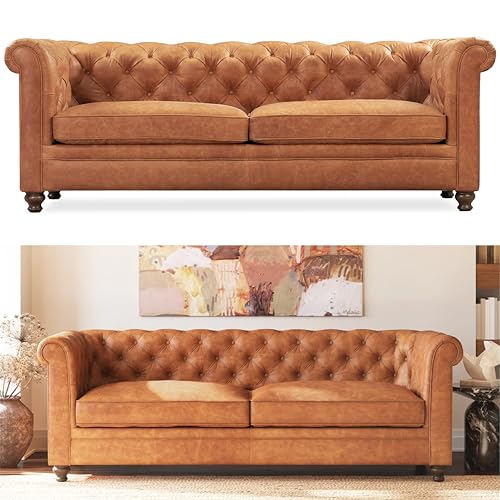
Why Choose a Camel Tan Leather Sofa?
The camel tan leather sofa has surged in popularity among interior designers and homeowners alike, and for good reason. This distinctive hue—situated perfectly between beige and medium brown—offers a warmth that cool greys and stark whites simply cannot match. It brings an organic, grounded feel to a living space while maintaining the refined sophistication associated with premium leather furniture.
Unlike darker leathers that can make a room feel heavy or lighter shades that demand constant vigilance against stains, camel tan strikes an ideal balance. It reflects light beautifully, making rooms feel more spacious and airy, yet it has enough depth to conceal the everyday signs of life. Whether you are furnishing a contemporary apartment or a classic family home, a camel tan leather couch adapts effortlessly to its surroundings.
For those new to leather furniture ownership, this shade serves as an excellent entry point. It pairs naturally with a wide spectrum of color palettes and works harmoniously with various materials, from natural wood and metal to glass and woven textiles. If you are building your first leather furniture collection, our leather sofa starter hub provides a comprehensive foundation before you commit to a specific piece.
Understanding Camel Tan Leather: Characteristics and Quality
Not all camel tan leather sofas are created equal. The quality of the leather itself determines not only the sofa's appearance but also its longevity, comfort, and value. Understanding the differences between leather grades is essential before making your purchase.
Leather Grades Explained
Full-grain versus top-grain leather represents the most common quality comparison. Full-grain leather retains the entire hide's natural surface, including imperfections that give each piece unique character. It develops a rich patina over time, becoming more beautiful with age. Top-grain leather has its surface sanded and refinished to remove imperfections, resulting in a more uniform appearance but less natural character. Both are excellent choices for a camel tan leather sofa, though full-grain typically commands a higher price.
Bonded leather, by contrast, consists of leather scraps bonded together with adhesives and a polyurethane coating. While more affordable, bonded leather sofas tend to peel and crack within a few years, making them a less wise long-term investment. For a piece you intend to keep for a decade or more, genuine leather is always the superior choice.
| Leather Grade | Durability | Patina Development | Price Range |
|---|---|---|---|
| Full-Grain | Excellent (20+ years) | Yes, develops beautifully | $2,500 - $6,000+ |
| Top-Grain | Very Good (10-15 years) | Limited | $1,500 - $3,500 |
| Split-Grain | Good (5-10 years) | No | $800 - $1,800 |
| Bonded Leather | Poor (2-5 years) | No | $400 - $900 |
Frame Construction and Longevity
The frame beneath the leather is equally important. A hardwood sofa frame provides the structural integrity needed to support daily use for decades. Kiln-dried hardwood is the gold standard, as the drying process prevents warping and cracking over time. Some manufacturers use metal sofa frames for added strength in specific designs, particularly recliners and modular pieces.
When evaluating a camel tan leather sofa, sit on it and listen. A well-constructed frame should feel solid and silent. Any creaking or flexing suggests inferior construction that will only worsen with time.
Styling Your Camel Tan Leather Sofa
One of the greatest advantages of a camel tan leather couch is its remarkable versatility. This warm neutral serves as a perfect canvas for various design aesthetics, adapting to both bold and subtle styling choices.
Color Pairings That Work
Camel tan harmonizes beautifully with an array of colors. For a serene, nature-inspired palette, pair it with sage green, cream, and natural wood tones. For a more dramatic look, contrast it against deep navy blue, charcoal grey, or forest green. The warm undertones of the leather prevent these darker shades from feeling cold or oppressive.
If you prefer a monochromatic scheme, layer different shades of brown, beige, and cream around your camel tan sofa. Add texture through woven throws, linen pillows, and a chunky knit blanket to prevent the look from becoming monotonous. Our guide to contemporary leather sofa styling offers additional inspiration for modern interiors.
Complementary Furniture and Accessories
A camel tan leather sofa pairs exceptionally well with a floor lamp that complements its warm tones. Choose a brass or antique gold fixture to enhance the golden undertones, or opt for a matte black lamp for a striking contrast. Natural materials like jute rugs, rattan side tables, and ceramic vases reinforce the earthy elegance of the leather.
For those considering a coordinated seating arrangement, a leather sofa and chair set in matching camel tan creates a cohesive, designer-inspired living room. Alternatively, mix leather with fabric upholstery for a more layered, eclectic look.
Camel Tan Leather Sofa Configurations
Camel tan leather sofas come in numerous configurations to suit different spaces and lifestyles. Understanding your options ensures you select the perfect piece for your home.
Sectionals and Chaise Lounges
For larger living rooms or open-plan spaces, a camel leather sofa with chaise offers both ample seating and a luxurious spot for lounging. The chaise extension provides the perfect place to stretch out with a book or enjoy a movie marathon. If your space allows, an L-shaped configuration maximizes seating without overwhelming the room.
A leather sectional in camel tan can anchor an entire living area, providing definition in open-concept layouts. Look for modular designs that allow you to reconfigure the sofa as your needs change.
Recliners and Specialty Options
If relaxation is your priority, a caramel leather recliner sofa delivers the ultimate in comfort. Modern recliners often include USB charging ports, adjustable headrests, and wall-hugger mechanisms that require minimal clearance behind the sofa. A wall-hugger recliner is particularly valuable in smaller rooms where space is at a premium.
For those who love to entertain, a reclining leather sofa and love seat combination ensures everyone has a comfortable seat. The coordinated set maintains visual harmony while providing flexible seating options.
Caring for Your Camel Tan Leather Sofa
Proper care ensures your camel tan leather sofa retains its beauty and structural integrity for years. While leather is remarkably durable, it does require periodic attention to prevent drying, cracking, and discoloration.
Routine Cleaning and Conditioning
Dust your camel tan leather sofa weekly with a soft, dry cloth to remove surface debris. For deeper cleaning, use a leather-specific cleaner and follow with a conditioner to replenish natural oils. Avoid harsh chemicals, alcohol-based products, and abrasive sponges, which can strip the leather's finish and cause irreversible damage.
Condition your sofa every three to six months, or more frequently in dry climates. A quality leather conditioner prevents the leather from drying out, maintaining its supple feel and preventing cracks. Pay special attention to high-use areas like armrests and seat cushions.
Protecting Against Sun Damage and Stains
Prolonged exposure to direct sunlight can cause camel tan leather to fade and dry unevenly. Position your sofa away from windows with harsh afternoon sun, or use curtains and blinds to diffuse the light. If your sofa must be near a window, rotate the cushions regularly to ensure even fading.
Address spills immediately by blotting—never rubbing—with a clean, dry cloth. For oily stains, sprinkle a small amount of baking soda or cornstarch on the affected area, let it sit for 15 minutes, then vacuum gently. For persistent stains, consult a professional leather cleaner.
Managing Pets and Children
If you share your home with pets, a leather sofa designed for pet owners offers practical advantages over fabric upholstery. Leather does not trap pet hair or dander, and most spills wipe away easily. However, claws can scratch the surface, so keeping nails trimmed and providing alternative scratching posts helps protect your investment.
For families with young children, consider a leather protection cream that adds an invisible barrier against spills and stains. This extra layer of defense can save you from countless sticky situations.
Where to Place Your Camel Tan Leather Sofa
The placement of your camel tan leather sofa significantly impacts both its functionality and its visual impact within your home.
In a living room with a leather sofa, position the piece as the focal point, arranging other furniture to facilitate conversation and traffic flow. Allow at least 14 to 18 inches between the sofa and a coffee table, and ensure clear pathways for movement.
For smaller spaces, a small leather sofa set in camel tan can provide comfortable seating without overwhelming the room. A 60-inch leather sofa is often the perfect size for apartments and cozy dens. Pair it with a short leather sofa or a mini leather sofa if you need flexible seating options.
In open-concept homes, use your camel tan leather sofa to define distinct zones. A large L-shaped leather sofa can create a natural boundary between the living area and dining or kitchen spaces without the need for walls.
Comparing Camel Tan to Other Leather Shades
Understanding how camel tan differs from similar hues helps you make a confident purchasing decision.
Camel vs. Cognac: Cognac leather typically has deeper, more reddish-brown tones, while camel tan is lighter with more yellow or beige undertones. Both are warm and inviting, but cognac makes a bolder statement. If you are drawn to the cognac aesthetic, consider a cognac leather sofa bed for added functionality.
Camel vs. Chestnut: Chestnut leather sofas are generally darker and richer than camel tan, with more red undertones. Chestnut can feel more traditional and formal, while camel tan leans more casual and contemporary.
Camel vs. Caramel: Caramel leather sits between camel and cognac, often with a slightly more golden or orange cast. The distinction is subtle, and both work well in warm-toned interiors.
Is a Camel Tan Leather Sofa Right for You?
Before committing to a purchase, weigh the advantages and potential drawbacks to ensure this is the right choice for your lifestyle and design preferences.
✅ Pros
- Warm, inviting color that suits most design styles
- Hides minor wear and stains better than lighter leathers
- Develops a beautiful patina over time (full-grain)
- Easy to clean compared to fabric upholstery
- Adds visual warmth to cool-toned rooms
- Versatile—pairs with countless color palettes
⚠️ Cons
- Can fade if exposed to direct sunlight
- Requires periodic conditioning to prevent drying
- Sharp objects and pet claws can scratch the surface
- Premium full-grain options are a significant investment
- Color may vary slightly between manufacturing batches
Making Your Final Decision
Selecting the perfect camel tan leather sofa involves balancing aesthetics, quality, budget, and lifestyle considerations. Start by measuring your space carefully, ensuring adequate clearance for reclining mechanisms if applicable. Next, determine your budget and prioritize the highest quality leather and construction your budget allows.
If you are shopping for a bargain, keep an eye out for a leather sofa sale or brown leather sectional clearance event, which can offer significant savings on premium pieces. However, never compromise on leather grade or frame quality for a lower price—a well-made sofa is an investment that pays dividends in comfort and durability.
For those seeking the pinnacle of craftsmanship, a top-of-the-line leather sofa in camel tan represents the ultimate expression of luxury and taste. These pieces are built to last for generations, becoming treasured family heirlooms.
Whether you choose a minimalist simple leather sofa or a statement-making classy leather sofa, the camel tan hue ensures your living room exudes warmth, sophistication, and timeless style.
Frequently Asked Questions About Camel Tan Leather Sofas
Not at all. Camel tan leather is actually easier to maintain than lighter shades like white or cream because it hides minor stains and dust better. Regular dusting and periodic conditioning are usually sufficient. For spills, blot immediately with a clean cloth. Avoid harsh chemicals and abrasive materials.
All leather can fade with prolonged direct sun exposure, but camel tan is less susceptible than darker colors to showing obvious fading. To minimize fading, position your sofa away from direct sunlight or use curtains to filter UV rays. Rotating cushions regularly also promotes even color development.
Camel tan is remarkably versatile. It pairs beautifully with earthy tones like sage green, olive, and terracotta; cool tones like navy blue, charcoal, and slate grey; and neutrals like cream, ivory, and beige. Natural materials like wood, jute, and rattan complement its warm, organic feel.
Prices vary widely based on leather grade, construction, and brand. A quality top-grain camel tan leather sofa typically ranges from $1,500 to $3,500. Full-grain options start around $2,500 and can exceed $6,000 for premium brands and custom configurations. Bonded leather sofas are available for under $1,000 but are not recommended for long-term use.
Yes, leather is generally more pet-friendly than fabric because it does not trap hair or dander, and accidents wipe away easily. However, pet claws can scratch the surface. Keeping nails trimmed and providing scratching posts helps minimize damage. A leather protection cream adds an extra layer of defense.