The Real Cost of Leather Sofa Recovering
The cost to recover a leather sofa is not a single, fixed number. It's a variable figure influenced by the size of your sofa, the type of leather you choose, the complexity of its design, and the labor rates in your area. Understanding these factors is the key to budgeting accurately. Most homeowners find that professional leather sofa recovering costs between $800 and $2,500, but it can go higher for large sectional sofas or premium full-grain hides.
This guide will walk you through each cost component, provide realistic price ranges, and help you decide if recovering is the right financial move for your cherished piece of furniture.
Average Leather Sofa Recovering Cost by Sofa Type
The size and shape of your sofa are the primary drivers of the total cost. A larger surface area requires more leather and more labor hours. Here's a general breakdown of what you can expect to pay for a professional recovering job:
- Loveseat or Small 2-Seater: $800 – $1,500
- Standard 3-Seater Sofa: $1,200 – $2,200
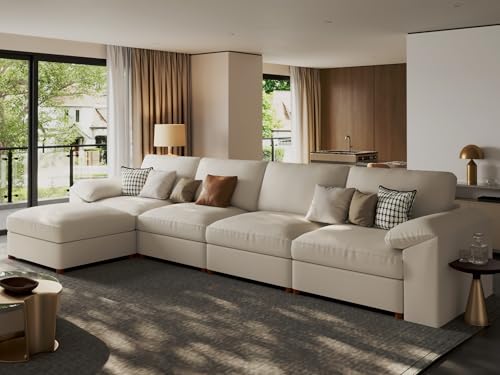
- Large 3-Seater or Sectional: $2,000 – $4,000+
- Recliner or Complex Motion Sofa: $1,500 – $3,000+
For those with a smaller living space, a small apartment leather sofa might seem like an easier project, but the labor for intricate details can still be significant. Conversely, a large L-shaped genuine leather sofa will be at the higher end of the range due to its sheer size and the amount of material required.
The Biggest Variable: Leather Type and Grade
The material you choose is the second largest cost factor. The price of leather varies dramatically based on its quality, durability, and source. Here are the current market costs for leather hides alone:
- Faux Leather (Vinyl/PU): $15 – $30 per yard. A budget-friendly option, but it won't have the lifespan or natural feel of real leather.
- Bonded Leather: $25 – $40 per yard. A mix of leather fibers and synthetic binders. Less durable than genuine leather.
- Top-Grain Leather: $50 – $80 per yard. The most common choice for quality sofas. It's durable, breathable, and has a nice feel. This is a sweet spot for many mid-range leather sofa picks.
- Full-Grain Leather: $80 – $150+ per yard. The highest quality, most durable leather available. It develops a beautiful patina over time. Choosing this is an investment, similar to a high-end leather sofa collection.
If you're considering a more premium look on a budget, researching the genuine leather sofa bed market can give you a benchmark for quality. For a classic aesthetic, you might be drawn to a grey leather chesterfield sofa, which can be beautifully restored with a high-quality top-grain hide.
Labor Costs: The Professional's Time
Professional upholsterers typically charge by the hour or by the job. The labor rate can range from $40 to $100 per hour, depending on your location and the craftsman's experience. A complex job with tufting, nailhead trim, or curved arms will take much longer than a simple, modern design. For example, restoring a leather tufted back sofa requires significant skill and time, which will be reflected in the labor cost.
DIY vs. Professional Recovering: A Cost Comparison
To save money, some adventurous homeowners consider a DIY approach. While you can save on labor, the material costs remain the same, and the learning curve is steep.
- Professional Recovering: Higher upfront cost, but you get a flawless, durable finish and a warranty. The best choice for valuable or complex sofas.
- DIY Recovering: You save the labor cost ($500 - $1,500+), but you risk a poor outcome, and the project can take weeks. It's often a good path for simple, small pieces like a leather single sofa or a mini leather sofa. You can find many secondhand leather sofa buying guides that touch on DIY restoration.
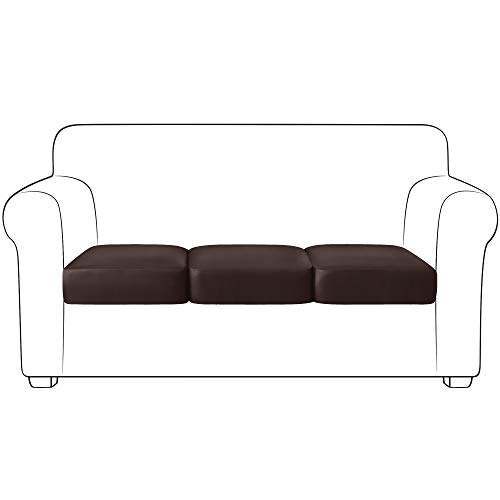
- Slipcovers: A slipcover for a leather sectional sofa is the most budget-friendly option, but it can look less tailored and may not stay in place as well as a full recover.
Is Recovering Your Sofa Worth It?
Deciding whether to recover or replace comes down to the quality of your sofa's frame and your emotional attachment to the piece. If you have a well-built, solid hardwood frame, recovering is almost always a better investment than buying a new, lower-quality sofa. It's an opportunity to restore a vintage brown leather sofa or an old leather sofa to its former glory, often for less than the cost of a new, comparable piece.
For those on a tighter budget, exploring leather sofa deals guides might reveal that a new sofa is a more practical choice. However, if you own a designer leather sofa or a piece with sentimental value, recovering is the clear winner.
How to Get an Accurate Quote
To get the most accurate price for your specific sofa, follow these steps:
- Take clear photos of your sofa from all angles (front, back, sides, and any damage).
- Measure the length, depth, and height.
- Note any special features: reclining mechanisms, tufting, nailhead trim, etc.
- Contact at least three local upholstery shops and ask for a detailed quote that separates material costs from labor.
This preparation will ensure you get a realistic estimate and can compare quotes fairly.