
Leather Sofa Losing Color? Here's How to Restore & Prevent It
Is your once-vibrant leather sofa now looking dull, faded, or patchy? Discover the root causes of color loss and learn professional restoration techniques to bring your leather back to life.
EXPLORE THE CAUSESWhy Leather Loses Color: Leather is a natural material that responds to its environment. Sunlight, body oils, friction, and improper cleaning all contribute to fading. Understanding the specific cause is the first step toward an effective solution.
Recommended Leather Sofas with Fade-Resistant Finish
⚠️ AFFILIATE DISCLOSURE: This website contains affiliate links. As an affiliate Associate, we earn from qualifying purchases. If you make a purchase through these links, we may receive a small commission at no additional cost to you. Read our full affiliate policy.

Leather Recoloring Balm and Scratch Repair Kit, Dark Brown Leather Restorer for Couches, Furniture, Car Seats, Leather Paint & Stain for Sofa, Chairs, Bags, and More
Check price on Amazon
UP22YOU Leather Recoloring Balm Black, Leather & Vinyl Color Restorer Conditioner – Repairs Faded & Scratched Leather Color, Suitable for Sofas, Car Seats, Shoes, and Furniture
Check price on Amazon
UP22YOU Leather Recoloring Balm Dark Brown, Leather & Vinyl Color Restorer Conditioner – Repairs Faded & Scratched Leather Color, Suitable for Sofas, Car Seats, Shoes, and Furniture
Check price on Amazon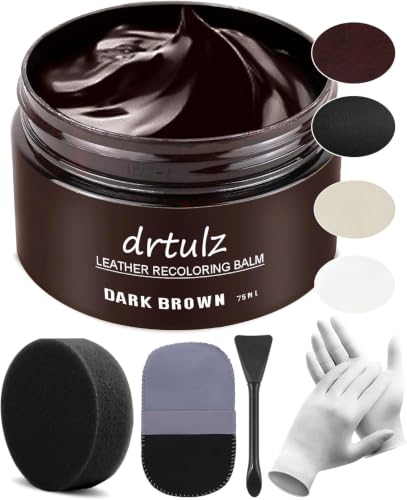
drtulz Dark Brown Leather Recoloring Balm, Leather Repair Kit for Furniture, Leather Scratch Remover, Color Restorer for Couch, Car Seats, Shoes - Repair Leather Dye for Scratched and Faded
Check price on Amazon
drtulz Black Leather Recoloring Balm, Leather Color Restorer Conditioner, Leather Repair Kits for Vinyl Furniture, Sofa, Car Seats, Shoes - Repair Leather Color on Faded & Scratched Leather Couches
Check price on Amazon
Leather Hero Dark Brown Leather Recoloring Balm Kit, 9-Piece Color Restorer for Couches, Sofas and Furniture with Cleaner, Conditioner and Applicators
Check price on Amazon
Clyde's™ Leather Company Leather Recoloring Balm – Color Restore & Scratch Repair Kit for Faded Leather Furniture, Car Seats, Sofa & Vinyl | 23 Colors | Non-Toxic Dye
Check price on AmazonWhy Is Your Leather Sofa Losing Color?
Leather discoloration doesn't happen overnight. It's usually the result of a combination of environmental and physical factors that gradually break down the surface finish. Identifying the culprit is essential for choosing the right fix.
1. Sunlight and UV Exposure
The most common cause of fading leather is prolonged exposure to direct sunlight. UV rays break down the pigments and natural oils in the leather, causing the color to lighten and become uneven. This is especially noticeable on sofas placed near windows. If your sofa's color has shifted to a pale, washed-out version of its original hue, sun damage is likely the primary factor. You might even notice that a modern tan leather sofa becomes significantly lighter over time if placed in a sun-drenched room.
2. Body Oils and Friction
Human skin naturally produces oils and sweat. When you sit on your leather sofa daily, these substances transfer to the surface. Over time, they can break down the protective topcoat and dye, leading to dark, shiny patches or uneven color loss, particularly on headrests, armrests, and seat cushions. Friction from clothing also contributes to this wear, especially on lighter-colored leathers like a beige color leather sofa set.
3. Improper Cleaning Products
Using harsh chemicals, alcohol-based cleaners, or abrasive household products can strip the finish and dye from your leather. Even some leather "conditioners" on the market contain solvents that accelerate fading. Always use products specifically formulated for the type of leather you own.
4. Low-Quality or Bonded Leather
Bonded leather (often found in budget furniture) consists of leather scraps bonded with polyurethane. The color is applied as a surface layer that can peel or flake off entirely, revealing a gray, fibrous backing. This is a common issue with a cheap white leather sofa or other low-cost options. If your sofa is losing color in large, peeling sheets, it's likely a material quality issue rather than simple fading.
Even high-quality pieces can be affected by these factors. A dark red leather sofa, for instance, may show fading as a shift toward a lighter, less saturated burgundy.
How to Restore Color to a Faded Leather Sofa
Before you consider replacing your sofa, know that many fading issues can be resolved with a few targeted steps. The approach depends on whether your leather is aniline (dyed-through) or protected (surface-coated).
Step 1: Clean the Leather Thoroughly
Before applying any colorant, you must remove dirt, oils, and old conditioners. Use a dedicated leather cleaner and a soft cloth. Work in small sections and avoid over-wetting the leather. For detailed instructions, see our leather sofa care hub.
Step 2: Assess the Damage
Determine if the color loss is on the surface (protected leather) or throughout the hide (aniline). Surface fading on protected leather can often be fixed with a leather dye or color restorer. Aniline leather that has faded may require re-dyeing by a professional.
Step 3: Apply a Leather Color Restorer
For surface-level fading, a leather color restorer or dye is an excellent DIY solution. These products come in various colors and are applied with a sponge or cloth. Test on a hidden area first. This is particularly effective for solid-color sofas like a black leather sofa bed or a blue genuine leather sofa.
Step 4: Consider Professional Re-Dyeing
For severe fading, peeling, or aniline leather, a professional leather technician can re-dye the entire piece. This is more expensive but yields a factory-like finish. It's often worth it for high-end or antique pieces like an antique leather sofa.
How to Prevent Future Color Loss
Prevention is always better than cure. A few simple habits can extend the life and vibrancy of your leather sofa for years.
- Keep it out of direct sun: Use curtains, blinds, or UV-filtering window film. Consider rearranging your furniture if fading is severe.
- Clean and condition regularly: Dust and condition every 3–6 months to maintain the protective topcoat. Use a high-quality conditioner recommended for your leather type.
- Use a leather protector: A protector spray adds an invisible barrier against stains and UV damage.
- Avoid harsh chemicals: Stick to pH-balanced leather cleaners.
- Rotate cushions: This ensures even wear and prevents one area from fading faster than another.
For more maintenance tips, explore our repair and maintenance hub.
When Is It Time to Replace Your Leather Sofa?
If the leather is peeling extensively (especially on a faux leather convertible sofa), or if the frame is compromised, restoration may not be cost-effective. In such cases, investing in a new, high-quality leather sofa is the smarter choice. Look for full-grain or top-grain leather with a reputation for durability.
Choosing a New Leather Sofa That Won't Fade
When shopping for a replacement, consider these fade-resistant options:
- Full-grain leather: The most durable and natural. Explore full top grain leather sofa options.
- Protected (finished) leather: Has a topcoat that resists fading and staining.
- Darker colors: Colors like brown, green, or navy blue tend to show fading less than pale colors like white or cream.
- Quality brands: Invest in reputable brands known for colorfast leather.
You can also consider a second-hand brown leather sofa from a quality maker, as older leather often has a patina that is less prone to noticeable fading.
Ready to Restore Your Sofa's Glory? Whether you choose to repair or replace, LeatherSofaPedia is here to guide you. Explore our recommended products above and take the first step toward a vibrant, beautiful living room.