
Grain Leather Sofa: The Complete Guide to Full-Grain, Top-Grain & Bonded Leather
Not all leather is created equal. The grain of the leather determines its durability, appearance, aging process, and price. Learn which grain is right for your home and how to identify quality before you buy.
COMPARE LEATHER GRAINSWhy Grain Matters: The term "grain" refers to the outer surface of the hide, where the natural fibers are densest. This layer determines how the leather resists wear, how it breathes, and how it develops a patina over time. Understanding grain is the single most important factor in choosing a leather sofa that will last for decades rather than years.
What Is Grain Leather and Why Does It Matter?
Grain leather refers to the outermost layer of the animal hide, where the fibers are tightly packed and the natural surface markings—such as pores, wrinkles, and scars—are visible. This layer is the strongest and most durable part of the hide. When a sofa is made from grain leather, it means the surface has not been sanded away or heavily processed.
The grain of the leather affects nearly everything about your sofa: how it feels, how it ages, how it responds to spills, and how much it costs. A full-grain leather sofa retains the complete grain layer, offering unmatched durability and a natural patina that develops over years of use. In contrast, a bonded leather sofa uses reconstituted leather fibers and a polyurethane binder, which may look like leather initially but lacks the longevity and breathability of true grain leather.
When shopping, you'll encounter terms like "full-grain," "top-grain," "split-grain," and "bonded." Each represents a different level of quality and a different point in the leather manufacturing process. Understanding these distinctions will help you avoid overpaying for inferior materials and ensure you choose a sofa that meets your expectations for comfort, durability, and style.
Types of Grain Leather: Full-Grain, Top-Grain, Split-Grain, and Bonded
Leather is graded based on how much of the natural grain layer is preserved. Here's a breakdown of the four main types you'll find in sofas today.
| Type | Grain Layer | Durability | Breathability | Patina | Price Range |
|---|---|---|---|---|---|
| Full-Grain | Entire grain layer intact | Excellent (20+ years) | Excellent | Develops rich patina | $2,000–$8,000+ |
| Top-Grain | Grain layer lightly sanded | Very good (10–15 years) | Good | Minimal patina | $1,200–$3,500 |
| Split-Grain | Grain layer removed | Moderate (5–10 years) | Fair | No patina | $800–$1,800 |
| Bonded | Reconstituted fibers + binder | Low (3–5 years) | Poor | None; may peel | $400–$1,000 |
Full-grain leather is the highest quality. It includes the entire grain layer, including all natural markings. It's the most durable, breathes well, and develops a beautiful patina over time. A tan real leather sofa in full-grain is a classic example of this premium material.
Top-grain leather has the grain layer sanded down slightly to remove imperfections. It's more uniform in appearance but slightly less durable than full-grain. Many modern leather sofas for living room use top-grain for a cleaner, more consistent look.
Split-grain leather comes from the lower layers of the hide after the grain has been removed. It's often embossed with a leather pattern. While more affordable, it doesn't breathe as well and won't develop a patina. A faux leather sofa or vegan leather modular sofa may use split-grain or synthetic alternatives.
Bonded leather is the lowest tier. It's made from leather scraps and fibers bonded with polyurethane. It may peel over time and doesn't have the same feel or durability as real grain leather. If you're considering a second-hand tan leather sofa, always ask about the grain type—bonded leather doesn't age gracefully.
How to Identify Quality Grain Leather in a Sofa
Before you buy, use these practical checks to determine the true grain quality of a leather sofa.
- Look for natural markings: Full-grain leather has visible pores, scars, and wrinkles. If the surface is perfectly uniform, it's likely top-grain, split-grain, or synthetic.
- Press the surface: Genuine grain leather will wrinkle and soften under pressure. Bonded or faux leather may feel stiff or plastic-like.
- Check the edges: Look at the seams and edges. Full-grain leather will have a natural, fibrous edge. Bonded leather may show a synthetic backing.
- Smell the leather: Real leather has a distinct, natural smell. Synthetic leather may smell like chemicals or plastic.
- Ask for the spec sheet: Reputable manufacturers will state the grain type. If a seller can't confirm, it's likely not high-quality grain leather.
For a deeper dive into material specifications, explore our Leather & Materials Hub. If you're considering a specific style, such as a leather Chesterfield sofa with chaise, confirm the grain type before purchasing, as Chesterfields are often made in both full-grain and bonded versions.
Grain Leather Across Popular Sofa Styles
Different sofa styles showcase grain leather in unique ways. Here's how grain quality impacts some of the most popular designs.
Recliners and power sofas: A leather power sofa or luxury leather recliner sofa benefits greatly from full-grain or top-grain leather because these materials resist cracking at stress points. Bonded leather in a recliner may peel or crack near the mechanism within a few years.
Sectionals and modular sofas: A leather sectional sofa or L-sectional leather sofa in full-grain leather can handle daily use and maintain its appearance. A tan leather modular sofa in top-grain offers a more uniform look at a lower price point.
Sleeper sofas: A real leather sleeper sofa or rustic leather sleeper sofa should use full-grain or top-grain leather for durability, especially if the sofa is used frequently for guests.
Chesterfields and classic styles: A classic leather sofa or leather Chesterfield sofa bed in full-grain leather is a lifelong investment. The natural patina enhances the vintage look over time.
Modern and minimalist designs: A modern leather sofa set or simple leather sofa often uses top-grain leather for a clean, uniform appearance. A soft Italian leather sofa may use full-grain leather with a natural finish for a luxurious feel.
How to Care for Grain Leather Sofas
Grain leather is durable, but it still requires proper care to maintain its appearance and longevity. Here are essential care tips.
- Dust regularly: Use a soft, dry cloth to remove dust and prevent it from settling into the grain.
- Clean with a leather-specific cleaner: Avoid harsh chemicals, saddle soap, or all-purpose cleaners. Use a pH-balanced leather cleaner.
- Condition 2–3 times per year: A good leather conditioner replenishes natural oils and prevents drying and cracking. This is especially important for full-grain leather.
- Keep away from direct sunlight: UV rays can fade and dry out leather. Use curtains or blinds to protect your sofa.
- Address spills immediately: Blot with a clean, dry cloth. Don't rub, as this can spread the spill and damage the grain.
- Maintain humidity: Leather thrives in 40–60% humidity. Use a humidifier in dry climates to prevent cracking.
For a complete care routine, visit our Leather Sofa Care & Accessories Hub. If your sofa is in a sunny room, consider a coastal leather sofa made with UV-resistant finishes, or take extra precautions to protect the grain.
Common Mistakes When Buying a Grain Leather Sofa
Avoid these pitfalls to ensure you get the quality you pay for.
- Assuming "genuine leather" means full-grain: "Genuine leather" is a broad term that can include split-grain and bonded leather. Always ask for the specific grain type.
- Confusing top-grain with full-grain: Top-grain is sanded and less durable. If you want the best, ask for full-grain.
- Ignoring the frame: Even the best grain leather won't last on a poorly constructed frame. Look for a wood frame leather sofa with kiln-dried hardwood.
- Overlooking the finish: Some full-grain leathers have a protective finish that reduces patina. Decide if you want a natural patina or a more uniform look.
- Buying without testing: Sit on the sofa. Feel the leather. Press it. A quality grain leather should feel supple and responsive.
If you're considering a second-hand tan leather sofa, inspect the grain carefully for cracks, peeling, or excessive wear. A firm leather sofa may use a lower-grade grain or a stiffer finish, so test it before buying.
Is a Grain Leather Sofa Worth the Investment?
Yes—if you choose the right grain. A full-grain leather sofa is one of the most durable furniture investments you can make. It can last 20 years or more with proper care, and its patina makes it more beautiful over time. A expensive leather sofa in full-grain is often a better long-term value than a cheaper sofa that needs replacing every few years.
Top-grain leather offers a good middle ground: it's more affordable than full-grain, easier to maintain, and still offers good durability. A comfortable leather sofa in top-grain can be a great choice for families with young children or pets, as it's more resistant to stains and scratches.
Split-grain and bonded leather are best for budget-conscious buyers or low-use spaces. If you're furnishing a living room with a leather sofa that won't see daily heavy use, a split-grain or vegan leather sleeper sofa may be sufficient.
For more guidance on choosing the right leather for your needs, explore our Leather Sofa Buying Mistakes guide and our Leather Sofa Spec Glossary.
Recommended Grain Leather Sofas
⚠️ AFFILIATE DISCLOSURE: This website contains affiliate links. As an affiliate Associate, we earn from qualifying purchases. If you make a purchase through these links, we may receive a small commission at no additional cost to you. Read our full affiliate policy.

Signature Design by Ashley 92-in Classic Leather Sofa Couch, Dark Brown | Top-grain leather seating, Sag-resistant platform foundation, Classic rolled arms with nailhead trim, Colleton Series
Check price on Amazon
POLY & BARK Essex 89” Full-Grain Italian Leather Sofa – Tufted Back, Feather-Down Comfort, Solid Wood Frame, Cognac Tan
Check price on Amazon
AMERLIFE Leather Sofa, Modern Genuine Leather Sofa, 3 Seater Comfy Couch | Genuine Top Grain Leather, Mid Century Modern Sofa for Home Office & Living Room-Brown
Check price on Amazon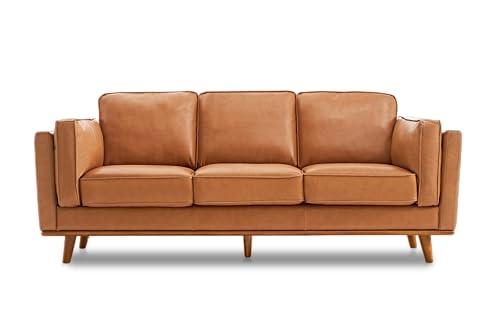
Valencia Artisan Full Leather Sofa 88” - Pure Full Italian Nappa Leather Couch for Living Room Furniture, Solid Wood Accent, Ultimate Comfort, Cognac Tan
Check price on Amazon
83" 3-Seater Waxed Full Grain Leather Sofa Couch, Mid Century Modern, Brown | Solid Wood Frame with Legs, Supportive Cushions, Easy to Clean, Easy Assembly , for Living Room Bedroom Apartment
Check price on Amazon
HAOMARKETS 2-Piece Top Grain Leather Electric Reclining Sofa Set with Power Headrest, Include Loveseat 2-Seater with Center Console and 3-Seater Reclining Couch for Living Room,Dark Brown
Check price on Amazon
HAOMARKETS 3-Piece Top Grain Leather Electric Recliner Sofa Set, Included Dual Motor Recliner with Power Headrest, Loveseat with Cup Holders and 3-Seater Couch for Living Room,Dark Brown
Check price on AmazonFrequently Asked Questions About Grain Leather Sofas
What is the difference between full-grain and top-grain leather?
Full-grain leather retains the entire grain layer, including natural markings. It's the most durable and develops a patina over time. Top-grain leather has the grain layer lightly sanded to remove imperfections, resulting in a more uniform appearance but slightly less durability and breathability.
Is bonded leather a type of grain leather?
No. Bonded leather is made from reconstituted leather fibers and a polyurethane binder. It does not have a natural grain layer and is significantly less durable than full-grain, top-grain, or split-grain leather. It may peel or crack over time.
How can I tell if a sofa is full-grain leather?
Look for natural markings, pores, and wrinkles. Press the surface—it should wrinkle and soften. Check the edges for a natural, fibrous appearance. Ask for the spec sheet from the manufacturer. If the surface is perfectly uniform, it's likely not full-grain.
Does grain leather require special care?
Yes. Grain leather should be dusted regularly, cleaned with a pH-balanced leather cleaner, and conditioned 2–3 times per year. Keep it away from direct sunlight and maintain humidity between 40–60%. Address spills immediately by blotting, not rubbing.
Is a grain leather sofa worth the price?
Full-grain and top-grain leather sofas are excellent investments. They last 10–20+ years with proper care and develop a beautiful patina. Bonded and split-grain leather are more affordable but have shorter lifespans. Consider your budget, usage, and long-term goals when deciding.
Can I use a grain leather sofa in a sunny room?
Yes, but you should protect it from direct sunlight. UV rays can fade and dry out leather. Use curtains or blinds, or choose a leather with a UV-resistant finish. A coastal leather sofa may be a good option for bright rooms.
Ready to Choose Your Grain Leather Sofa?
Explore our recommended grain leather sofas above, or dive deeper into our comprehensive leather guides.
EXPLORE LEATHER & MATERIALS HUB